Blog 16. “Neurological Disorders and Bioresonance: A Comprehensive Insight”
Neurological Disorders and Bioresonance Therapy. Neurological disorders encompass a broad spectrum of ailments affecting the nervous system, including the brain, spinal cord, and nerves, with a global impact impacting millions of individuals. These disorders, from epilepsy to Alzheimer’s disease, affect approximately one billion people globally, leading to a significant number of annual fatalities. The economic burden of these conditions is substantial, estimated at about 139 billion euros in Europe alone. The World Health Organization (WHO) emphasizes that as the world population continues to grow, both developed and developing countries will grapple with the consequences of neurological diseases. The primary objective of this article is to shed light on these often misunderstood conditions, exploring their causes and potential treatments.
When most people think of “neurological disorders,” Alzheimer’s or Parkinson’s disease often come to mind, but this term encompasses a vast array of conditions affecting the nervous system. Neurological disorders encompass any abnormality in the body’s nervous system, comprising the brain, spinal cord, and nerves, all of which collectively govern bodily functions. When biochemical, structural, or electrical irregularities occur in the nervous system, a range of symptoms manifest, signalling an underlying issue.
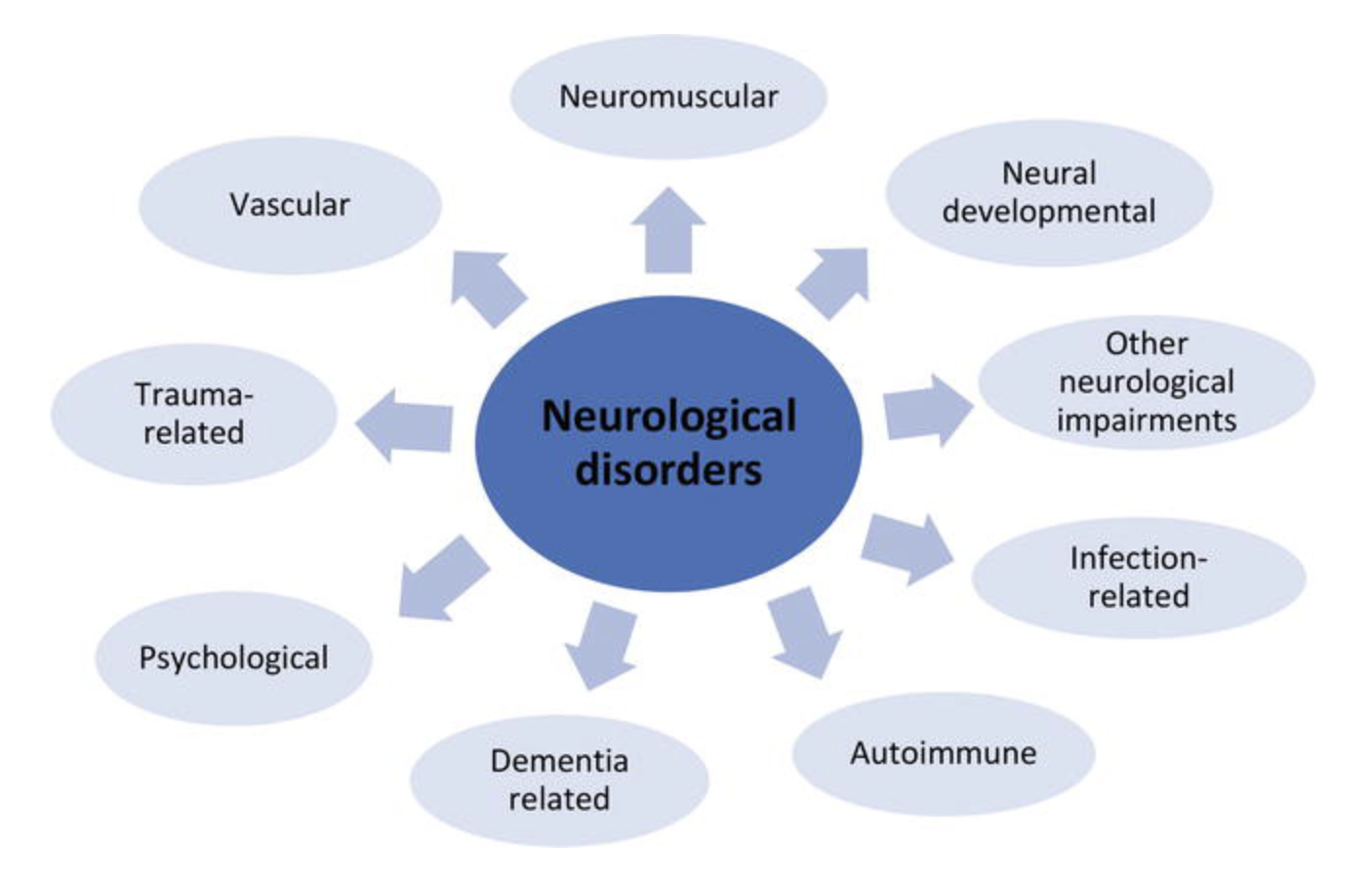
Neurological Disorders and Bioresonance Therapy.
Neurological illnesses encompass disorders affecting the central and peripheral nervous systems, typically impacting muscles, the brain, neuromuscular junction, spinal cord, autonomic nervous system, cranial nerves, nerve roots, and peripheral nerves.
Varieties of neurological illnesses Contrary to the common belief that there are only a few types of neurological illnesses, there are over 600 known neurological disorders and conditions, with limited treatment options available for a majority of them. Examples of such conditions include epilepsy, brain tumours, Alzheimer’s disease, Parkinson’s disease, cerebrovascular diseases (including stroke), migraine and other headache disorders, multiple sclerosis, neuro-infections, traumatic disorders of the nervous system (e.g., brain trauma), neurological disorders due to malnutrition, paresis, neuralgia, restless legs, vertigo, and more.
Factors contributing to neurological illnesses The causes of neurological illnesses are multifaceted and specific to each condition. Both the brain and spinal cord, along with peripheral nerves, are protected by numerous membranes that are susceptible to pressure and force. Neurological illnesses can affect either the entire neurological pathway or a single neuron. Even minor disruptions to a neuron’s structural pathway can lead to illnesses or dysfunction.
Causes of neurological illnesses include physical injuries, lifestyle-related factors, environmental influences, infections, nutrition-related factors, and hereditary factors.
Indications and symptoms of neurological illnesses The signs and symptoms of neurological illnesses vary based on the specific condition a patient is experiencing. Emotional symptoms may include mood swings, depression, sudden outbursts, stress, anxiety, and delusions. Physical symptoms may encompass decreased alertness, partial or complete paralysis, unexplained pain, muscle weakness, impaired cognitive abilities, seizures, difficulty reading and writing, headaches, fatigue, and blurry vision.
Treating neurological diseases Treatment for neurological illnesses is contingent upon the particular condition a patient is facing and the affected body part. Treatment options typically involve medications, lifestyle adjustments, pain management, physiotherapy, cognitive therapy treatments, surgery, and in some cases, bioresonance therapy.
Bioresonance and its role in managing neurological diseases.
Bioresonance therapy offers a potential approach to managing neurological conditions for individuals seeking a natural wellness approach. Operating on a cellular level, bioresonance therapy provides healthy frequencies to cells, enhancing communication between different cells and pathways.
A study presented at the 40th bioresonance congress by Dr. Christina Lund explored the application of bioresonance in treating neurological illnesses. The study involved patients with various conditions such as paresis, neuralgia, muscle fibrillation, restless legs, multiple sclerosis, and cephalalgia. The findings suggested that bioresonance therapy, through toxin removal and own blood therapy, demonstrated significant success in managing neurological diseases and slowing their progression.
The process involves applying a headband emitting electromagnetic and bioresonance frequencies to enhance brain wave activities and optimize mood. Additionally, electromagnetic discs can numb pain and stimulate healing when applied directly to painful areas, often in conjunction with bioresonance therapy.
Conclusion: Neurological diseases encompass a vast range of conditions affecting the nervous system and are a significant global health concern. They result from various factors and manifest through diverse physical and emotional symptoms. Alongside conventional treatment methods, bioresonance therapy offers a natural, potentially effective approach to managing neurological conditions by leveraging enhanced frequencies at a cellular level and aiding toxin removal, potentially contributing to slowing down disease progression.
Remember to subscribe to the channel! t.me/pnlclinic