Blog 8. Addressing Tinnitus through Bioresonance Therapy.
The presence of persistent ringing in the ears, commonly known as tinnitus, can significantly impact an individual’s daily life. This disturbing auditory phenomenon can lead to sleep disturbances, reduced concentration, and even irritability. Managing this condition is crucial, and one of the treatment avenues gaining attention is bioresonance therapy. In this article, we will delve into the subject of tinnitus and explore potential strategies for its management.
Recognizing Tinnitus Symptoms
Tinnitus manifests as internal sounds like buzzing, ringing, roaring, hissing, or clicking when no external sounds are present. The intensity of these sounds varies among individuals, sometimes causing minor annoyance and at other times interfering with concentration or hearing. While some experience tinnitus in one ear, others may hear it in both.
Unveiling Tinnitus Causes
The exact cause of tinnitus often remains elusive, but experts believe it’s usually associated with other underlying health issues. Common factors that contribute to tinnitus include ear cell damage, age-related hearing loss, exposure to loud noise, earwax blockage, changes in ear bone structure, and specific medical conditions like Meniere’s disease or TMJ disorders. Moreover, certain health conditions, such as high blood pressure, turbulent blood flow, atherosclerosis, and malformed capillaries, can exacerbate tinnitus.
Understanding Tinnitus Types
Tinnitus is categorized into four main types:
Subjective Tinnitus: This prevalent form, affecting about 95% of cases, involves sounds only the individual can hear. Often caused by exposure to loud noise, subjective tinnitus can lead to hearing loss due to nerve damage. The severity of symptoms varies depending on an individual’s sensitivity to noise.
- Objective Tinnitus: A rare occurrence where the doctor can also hear the sounds using specialized equipment. It is linked to vascular irregularities or muscle contractions, typically tied to an underlying medical condition.
- Neurological Tinnitus: Caused by disorders affecting the neurological system, like Meniere’s disease, this type of tinnitus is accompanied by vertigo, dizziness, and balance problems.
- Somatic Tinnitus: This form is linked to the sensory system and usually affects one ear.
Identifying Tinnitus Risk Factors
Certain factors heighten the risk of developing tinnitus, including cardiovascular health issues, exposure to loud noise, smoking, gender (men are more susceptible), and advancing age. The impact of tinnitus can be profound, leading to concentration difficulties, memory issues, sleep disturbances, fatigue, depression, anxiety, and irritability.
Approaches to Tinnitus Management
Identifying and addressing the underlying cause is the ideal approach to tinnitus treatment, but for many, this isn’t always achievable. Several strategies aim to manage tinnitus, including earwax removal, adjusting medication dosages, treating the root condition, stress and anxiety relief through medications, white noise machines, hearing aids, masking devices, tinnitus retraining, and alternative therapies like acupuncture or hypnosis.
Bioresonance: A Holistic Path to Tinnitus Relief
Bioresonance therapy, an alternative medical approach utilizing electromagnetic waves, aims to diagnose and treat various ailments. This holistic treatment seeks to identify underlying causes and target “impaired” frequencies emitted by cells for personalized treatment. Notably, bioresonance has shown promise in managing tinnitus through scientific research.
Research and Results
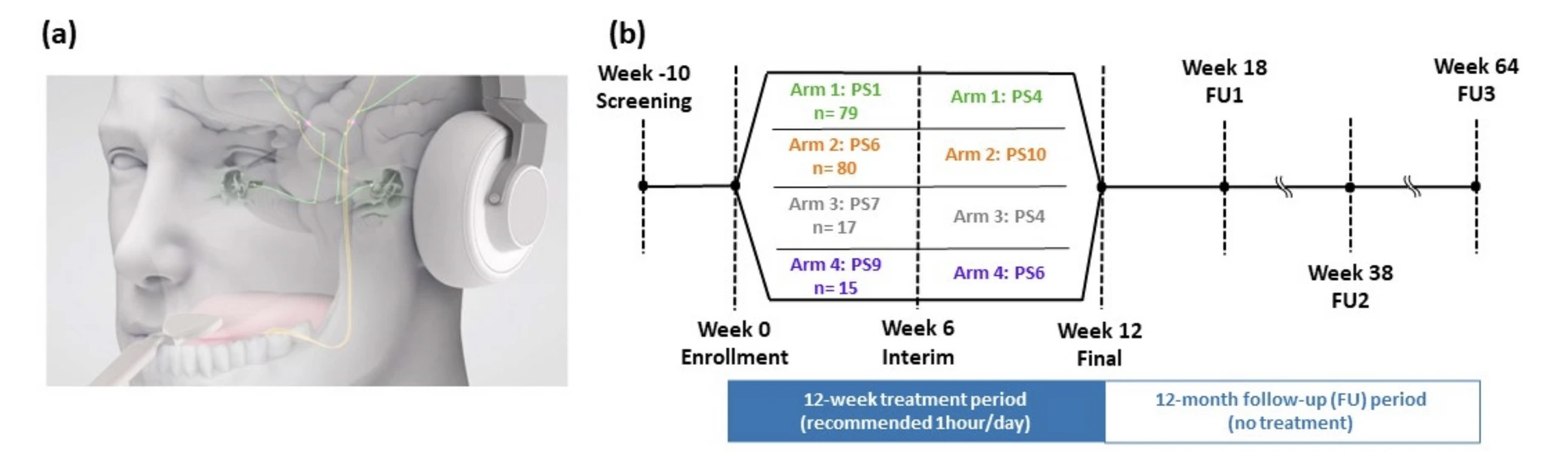
Dr. Perry Seftel’s study investigated the impact of bioresonance therapy on tinnitus. 50 participants were divided into two groups, receiving combined complementary medicine treatment or bioresonance therapy alone. Results indicated significant improvement in chronic dysregulation-related neuromuscular release, with 56% reporting improvement. Bioresonance therapy demonstrated positive outcomes in managing persistent ringing sounds.
Tailored Treatment
Bioresonance treatment for tinnitus involves comprehensive diagnosis and customized approaches, including audiology assessments, noise determination, and therapies such as osteopathy, physiotherapy, and relaxation techniques to alleviate stress and anxiety.
In Conclusion
Tinnitus, marked by frustrating internal sounds, can disrupt one’s quality of life. Addressing the underlying health issues is crucial, making bioresonance therapy an intriguing option. This treatment’s electromagnetic frequencies aim to pinpoint the root cause and diminish sound intensity, with scientifically proven benefits.
‼️Remember to subscribe to the channel! t.me/pnlclinic