Blog 11. Bioresonance Therapy and Asthma: A Comprehensive Overview
Recent data from the Australian Asthma Foundation reveals that asthma affects a substantial number of individuals in Australia. Presently, approximately 2.7 million people in the country are undergoing treatment for asthma. This group encompasses 80% adults and 20% individuals below the age of 18. When considering these figures in relation to Australia’s total population, it is evident that asthma impacts 1 in 10 children and 1 in 12 adults. Although the incidence of asthma has remained steady since the late 1990s, Australia is recognised as a nation with a considerable prevalence of asthma patients.
Tragically, up to three individuals succumb to asthma every day. In the year 2014 alone, this condition led to the loss of 1,216 lives. Emphasising the gravity of the situation, an asthma attack strikes approximately every 8 minutes, leading to hospitalisation. This translates to around 185 patients requiring hospital care for asthma treatment.
The onset of an asthma attack is an immensely distressing experience. Patients not only struggle to breathe, but they also grapple with an inability to communicate, loss of bodily control, and an overwhelming sense of helplessness. An asthma diagnosis not only curtails an individual’s physical activities but can even impede routine tasks like climbing stairs or enjoying a leisurely walk in the park.
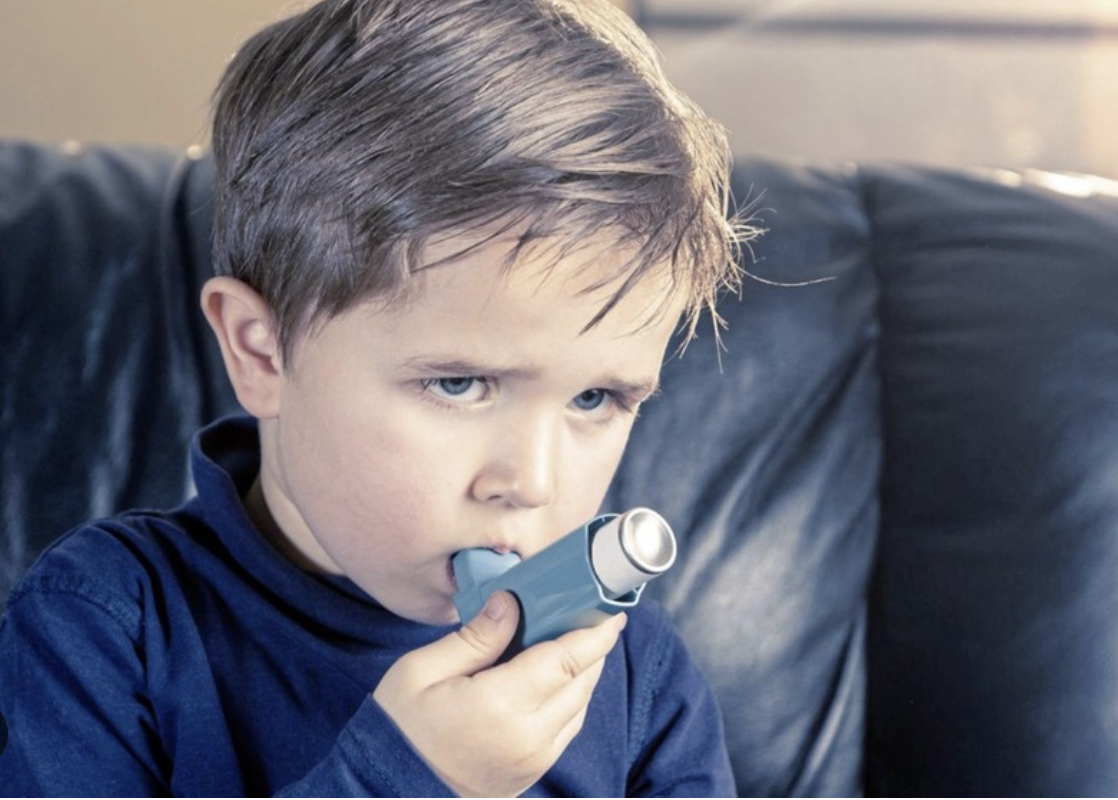
Asthma Triggers and Causes
Characterised by bronchial spasms, asthma often results from allergic reactions or hypersensitivity. The precise reasons why certain individuals develop asthma while others remain unaffected are not fully understood. Medical professionals largely attribute it to a combination of genetic predisposition and environmental factors. Drawing from extensive case studies, various triggers for asthma attacks have been identified:
- Airborne Allergens
- Respiratory Infections
- Physical Exertion
- Cold Air
- Airborne Irritants and Pollutants
- Medications
- Excessive Stress and Emotional Distress
It’s important to note that the impact of each trigger varies individually, and the list above encompasses common triggers found in the majority of cases. Additionally, there exist other less common triggers that affect a minority of patients or even specific individuals. Beyond these known triggers, health experts have identified risk factors that elevate the likelihood of developing asthma:
- Previous Asthmatic History
- Co-existing Allergic Conditions (e.g., Hay Fever, Atopic Dermatitis)
- Poor Weight Management
- Smoking Habits
- Prolonged Exposure to Secondhand Smoke
- Regular Inhalation of Pollutants or Exhaust Fumes
- Occupational Exposure to Harmful Substances
Exploring Treatment Options
Although claims of permanent asthma cures have surfaced, it’s unfortunate that there is no proven treatment capable of curing asthma and preventing future attacks. Instead, individuals diagnosed with asthma should be educated about effective management strategies. A blend of healthy lifestyle choices and preventive measures can significantly mitigate the impact of asthma on daily life.
Central to managing asthma is avoiding triggers that can incite attacks. Those prone to stress-induced asthma should learn stress relief techniques. Health professionals recommend natural relaxation methods like deep abdominal breathing, guided imagery, and progressive muscle relaxation. Dietary adjustments also play a role in asthma control. Foods rich in omega-3 fatty acids, such as mackerel, tuna, cod, and salmon, have anti-inflammatory properties that reduce the risk of triggering asthma attacks.
Medical practitioners often prescribe medications to alleviate asthma symptoms. Bronchodilators, a common type of medication, relax airway muscles, facilitating smoother breathing. Short-acting bronchodilators are used to treat symptoms like wheezing, chest tightness, coughing, and shortness of breath. They can also be employed before physical activity to prevent exercise-induced asthma.
Exploring Bioresonance Therapy
For existing asthma patients seeking alternative treatments, Bioresonance therapy is worth considering. Health professionals incorporating Bioresonance therapy have achieved notable success in treating asthma. Utilising the BICOM device as the primary therapeutic tool, treatment can be tailored to each patient’s condition.
Significant relief and ease from acute asthma symptoms are often observed with this therapy. Implementing treatment between attacks aids in toxin release and harmonisation. However, patients must understand that Bioresonance therapy should complement conventional treatment methods. Skillful application of treatment strategies enables patients to regain a normal lifestyle, minimising the impact of asthma. As Bioresonance therapy gains traction, it’s likely to become a prominent choice for asthma management.
In Conclusion
A diagnosis of asthma carries significant emotional weight. While a definitive cure remains elusive, individuals can integrate various measures to cope with this persistent condition. Commonly, bronchodilators serve as the primary choice for asthma management, but Bioresonance therapy presents an unconventional option. To maximise effectiveness, this therapy should be combined with other treatments. As success stories from satisfied patients circulate within the healthcare community, Bioresonance therapy is poised to become a trusted method for effectively managing asthma.
Remember to subscribe to the channel! t.me/pnlclinic