Exploring Bioresonance Therapy for Allergies: A Modern Perspective
Introduction
Allergies are becoming increasingly common. Many people experience symptoms such as sneezing, itchy eyes, skin reactions, or breathing difficulties.
While conventional treatments can help, some individuals continue to look for additional support. As a result, interest in complementary approaches, including bioresonance therapy, is growing.
Understanding Allergies
Allergies occur when the immune system overreacts to substances that are usually harmless. These substances are known as allergens.
Common allergens include pollen, dust, animal dander, and certain foods.
Normally, the immune system protects the body. However, in allergies, this response becomes exaggerated.
The Role of the Immune System
The immune system is complex and highly adaptive. It identifies what belongs in the body and what does not.
When this process becomes imbalanced, harmless substances may trigger inflammation and symptoms. Therefore, restoring balance is often a key goal in allergy management.
What Is Bioresonance Therapy?
Bioresonance therapy is a non-invasive method based on the concept that the body emits electromagnetic signals.
Practitioners use specialised devices to assess these signals and aim to support balance within the body.
How Bioresonance May Support Allergy Management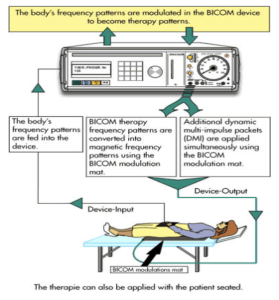

Some practitioners use bioresonance therapy as part of a holistic plan.
It may aim to:
- Support immune regulation
- Reduce sensitivity to allergens
- Improve overall wellbeing
However, responses vary between individuals, and results are not guaranteed.
Scientific Perspective and Limitations
Research into bioresonance therapy is still evolving.
Some observational studies suggest potential benefits. However, there is limited high-quality clinical evidence to confirm its effectiveness. Therefore, it should be considered a complementary, not primary, treatment.
A Holistic Approach to Allergy Care
Managing allergies often requires a multi-layered approach.
This may include:
- Identifying and reducing exposure to triggers
- Supporting gut health
- Improving nutrition
- Managing stress
- Medical treatment when necessary
Complementary therapies may be included as part of this broader strategy.
Why Personalisation Matters
Each person’s immune system responds differently.
Therefore, personalised care is essential when addressing allergies and long-term health.
Conclusion
Bioresonance therapy offers an alternative perspective on allergy support.
While scientific evidence is still developing, it may play a role within a holistic and integrative health plan.