Understanding Rheumatic Disorders and Complementary Treatment with Bioresonance Therapy

Understanding Rheumatic Disorders and Complementary Treatment with Bioresonance Therapy

Rheumatic Disorders: A Comprehensive Overview

Rheumatic disorders include a wide range of conditions affecting joints, muscles, and connective tissues. These conditions can significantly impact mobility, comfort, and quality of life.

In Australia, rheumatic conditions such as rheumatoid arthritis affect a substantial portion of the population. Additionally, these conditions are more commonly diagnosed in women than in men.

Therefore, early diagnosis and appropriate management are essential to prevent progression and reduce complications.


Diversity of Rheumatic Disorders

Rheumatic disorders encompass many different conditions. For example:

  • Rheumatoid arthritis
  • Osteoarthritis
  • Gout
  • Systemic lupus erythematosus
  • Fibromyalgia
  • Polymyalgia rheumatica

Each condition presents differently. As a result, treatment approaches must be individualised.


Understanding Rheumatic Disorders and Complementary Treatment with Bioresonance TherapySymptoms and Diagnosis

Common symptoms include:

  • Joint pain and stiffness
  • Swelling and inflammation
  • Reduced mobility
  • Fatigue

In many cases, symptoms may develop gradually. Therefore, early medical assessment is important.

Diagnosis typically involves:

  • Clinical examination
  • Blood tests
  • Imaging (e.g., X-ray, MRI)

Rheumatologists play a key role in confirming diagnosis and guiding treatment.


Effective Treatment Approaches

Management of rheumatic disorders requires a comprehensive and multidisciplinary approach.

Common strategies include:

  • Anti-inflammatory medications
  • Disease-modifying therapies
  • Physiotherapy and movement therapy
  • Lifestyle modifications (diet, stress management, sleep)

Importantly, treatment aims not only to relieve symptoms but also to slow disease progression and protect joint function.


Bioresonance Therapy as a Complementary Approach

Bioresonance therapy is considered a complementary modality that focuses on electromagnetic signal patterns within the body.

Some practitioners suggest it may:

  • Support overall balance
  • Assist with stress regulation
  • Contribute to general wellbeing

However, current scientific evidence supporting its effectiveness for rheumatic conditions remains limited. Therefore, it should be viewed as a supportive therapy rather than a primary treatment.


Integrating Complementary Therapies

For some individuals, combining conventional care with complementary approaches may provide additional support.

For example:

  • Stress reduction techniques
  • Nutritional support
  • Gentle movement practices

As a result, patients may experience improved overall wellbeing.


Important Considerations

Rheumatic disorders are complex medical conditions that require professional management.

Therefore:

  • Always seek diagnosis from a qualified healthcare professional
  • Follow prescribed medical treatment plans
  • Use complementary therapies under professional guidance

Conclusion

Rheumatic disorders are chronic conditions that can significantly affect daily life. While conventional treatments remain the foundation of care, complementary approaches such as bioresonance may offer additional support for some individuals.

Ultimately, a balanced, evidence-informed approach that combines medical care and lifestyle strategies provides the best outcomes.

Bioresonance Therapy and its Role in Supporting Lymphatic Function.

Bioresonance Therapy and Its Role in Supporting Lymphatic Function

Introduction

The lymphatic system plays a vital role in maintaining overall health. It helps regulate fluid balance, supports immune function, and assists in removing waste products from the body. However, various conditions can disrupt this system and affect its efficiency.

Therefore, supporting lymphatic function is important for maintaining general wellbeing.


Bioresonance Therapy and Its Role in Supporting Lymphatic FunctionOverview of the Lymphatic System

The lymphatic system is a network of vessels, lymph nodes, and organs that work together to filter lymph fluid. Key components include:

  • Spleen: Supports immune response and blood filtration
  • Thymus: Involved in T-cell development
  • Tonsils: Help defend against pathogens entering through the mouth and nose

In addition, lymph nodes are distributed throughout the body and act as filtration points for immune activity.


Common Lymphatic Conditions

Several conditions may affect the lymphatic system. For example:

  • Lymphadenopathy (enlarged lymph nodes)
  • Lymphedema (fluid retention and swelling)
  • Infections affecting lymph nodes
  • Lymphatic involvement in certain cancers

As a result, symptoms such as swelling, discomfort, or immune-related issues may occur.


Bioresonance Therapy: A Complementary Approach

Bioresonance therapy is a non-invasive modality that focuses on electromagnetic signal patterns in the body. Practitioners aim to identify potential imbalances and support regulatory processes.

Some practitioners suggest that bioresonance may:

  • Support overall balance
  • Assist with stress regulation
  • Promote general wellbeing

However, scientific evidence supporting its role in lymphatic function remains limited. Therefore, it should be used as a complementary approach rather than a replacement for medical care.


How Bioresonance May Support Lymphatic Health

Bioresonance sessions are typically tailored to the individual. As a result, practitioners may focus on overall physiological balance and stress response.

Some individuals report:

  • Improved sense of wellbeing
  • Reduced feelings of heaviness or discomfort
  • Better overall balance

Nevertheless, outcomes vary, and further research is required.


Supporting Lymphatic Function Naturally

In addition to any complementary therapies, lifestyle strategies play a key role. These include:

  • Regular physical activity
  • Adequate hydration
  • Balanced nutrition
  • Stress management
  • Good sleep quality

Therefore, combining lifestyle strategies with professional care provides the most effective support.


Important Considerations

The lymphatic system is closely linked to immune health. Therefore, any persistent symptoms should be assessed by a healthcare professional.

Bioresonance therapy should:

  • Be used alongside conventional care
  • Not replace medical evaluation or treatment
  • Be guided by a qualified practitioner

Conclusion

The lymphatic system is essential for immune function and overall health. While complementary approaches such as bioresonance may offer supportive benefits, they should be integrated carefully within a broader health strategy.

Ultimately, a balanced approach that includes medical care and lifestyle support may help maintain optimal lymphatic function.

Join as on Facebook https://www.facebook.com/PureNatureLife

Remember to subscribe to the channel! t.me/pnlclinic

Bioresonance Therapy and Liver Cancer

Bioresonance Therapy and Liver Cancer: A Complementary Perspective

Introduction

Liver cancer is a serious global health condition with rising incidence rates. It significantly impacts patient outcomes and quality of life. Therefore, understanding available treatment options and supportive approaches is essential.

This article explores liver cancer, its management, and the potential role of bioresonance therapy as a complementary approach.


Bioresonance Therapy and Liver Cancer: A Complementary PerspectiveUnderstanding Liver Cancer

Liver cancer can be classified into primary and secondary types. Primary liver cancer originates in the liver, while secondary cancer spreads from other organs.

Common risk factors include:

  • Chronic liver disease
  • Hepatitis B and C infections
  • Excess alcohol consumption
  • Exposure to toxins or chemicals
  • Metabolic conditions

As a result, early detection and ongoing medical care are critical.


Liver Cancer in Australia

Liver cancer incidence in Australia has increased over recent years. In addition, it remains associated with significant health burden.

Therefore, prevention strategies, early diagnosis, and effective management are essential components of care.


Conventional Treatment Options

Treatment depends on the stage and overall health of the patient. Typically, options may include:

  • Surgical resection
  • Liver transplantation
  • Ablation therapies
  • Chemotherapy or targeted therapy
  • Supportive care

However, treatment plans must always be guided by oncology specialists.


Bioresonance Therapy: A Complementary Approach

Bioresonance therapy is a non-invasive modality that focuses on electromagnetic signal patterns in the body. Practitioners aim to identify potential imbalances and support overall wellbeing.

Some practitioners suggest that bioresonance may:

  • Support relaxation and stress reduction
  • Improve overall wellbeing
  • Assist with systemic balance

However, there is currently no strong clinical evidence supporting bioresonance therapy as a treatment for liver cancer. Therefore, it must not be used as a replacement for medical care.


How Bioresonance May Support Patients

When used appropriately, bioresonance may serve as a supportive therapy. For example, it may help:

  • Support stress management
  • Improve general wellbeing
  • Complement holistic care plans

Nevertheless, outcomes vary, and further research is required.


Important Considerations

Liver cancer is a life-threatening condition. Therefore, evidence-based medical treatment is essential.

Bioresonance therapy should:

  • Be used only as a complementary approach
  • Not replace oncology treatment
  • Be discussed with healthcare providers

Conclusion

Liver cancer requires comprehensive and specialist medical care. While complementary approaches such as bioresonance may offer supportive benefits, they cannot replace established treatments.

Ultimately, an integrative approach that combines medical care with supportive therapies may help improve overall wellbeing and quality of life.

Join as on Facebook https://www.facebook.com/PureNatureLife

Remember to subscribe to the channel! t.me/pnlclinic

Bioresonance Therapy for Mildew and Fungi Contamination

Bioresonance Therapy for Mildew and Fungal Exposure: A Complementary Approach

Introduction

Mildew and fungi thrive in damp environments and can affect both indoor air quality and human health. Mould, a common type of fungi, often grows on surfaces such as wood, fabric, and paper. As a result, exposure to airborne spores may contribute to various health concerns.

Therefore, understanding how to manage environmental exposure and support the body is essential.


Understanding Potential Health Risks

Fungal exposure may affect individuals differently. For example, some people experience respiratory symptoms, while others may develop sensitivities over time.

Common concerns associated with mould exposure may include:

  • Nasal congestion or sinus irritation
  • Respiratory discomfort
  • Fatigue or headaches
  • Increased sensitivity in individuals with weakened immunity

However, the severity of symptoms varies depending on exposure level and individual susceptibility.


Bioresonance Therapy for Mold Exposure | Natural Support for RecoveryCauses of Mildew and Fungal Growth

Mildew develops when environmental conditions support fungal growth. These conditions include:

  • Excess moisture or humidity
  • Poor ventilation
  • Limited sunlight exposure
  • Organic materials (e.g., wood, textiles)

Therefore, controlling environmental factors is the first and most important step in prevention.


Addressing Environmental Contamination

Effective management of mould exposure begins with environmental control. In particular, it is important to:

  • Improve ventilation
  • Reduce indoor humidity
  • Repair water leaks
  • Clean affected surfaces safely

In addition, maintaining a dry and well-ventilated environment helps prevent recurrence.


Conventional Treatment Approaches

When fungal infections occur, treatment depends on severity and individual health status. Typically, management may include:

  • Antifungal medications
  • Medical assessment and monitoring
  • Support for immune health

Therefore, professional medical advice is essential in confirmed infections.


Bioresonance Therapy: A Complementary Perspective

Bioresonance therapy is a complementary modality that focuses on electromagnetic signal patterns in the body. Practitioners aim to identify potential imbalances and support the body’s regulatory processes.

Some practitioners suggest that bioresonance may:

  • Support overall balance
  • Assist with stress regulation
  • Promote general wellbeing

However, scientific evidence supporting its role in fungal conditions remains limited. Therefore, it should not replace medical treatment.


How Bioresonance May Support Recovery

Bioresonance sessions are tailored to the individual. As a result, they may help address overall stress load and support systemic balance.

Some individuals report:

  • Improved wellbeing
  • Better tolerance to environmental stressors
  • Enhanced recovery support

Nevertheless, outcomes vary, and further research is required.


Important Considerations

Fungal exposure and infections can impact health significantly. Therefore, appropriate environmental and medical management is essential.

Bioresonance therapy should:

  • Be used alongside conventional care
  • Not replace antifungal treatment when required
  • Be guided by a qualified practitioner

Conclusion

Mildew and fungal exposure are common environmental concerns that require proper management. While environmental control and medical treatment remain the foundation, complementary approaches such as bioresonance may offer additional support.

Ultimately, a combined approach may help support overall wellbeing and recovery.

Join as on Facebook https://www.facebook.com/PureNatureLife

Remember to subscribe to the channel! t.me/pnlclinic

Neurological Disorders and Bioresonance: A Comprehensive Insight

Introduction

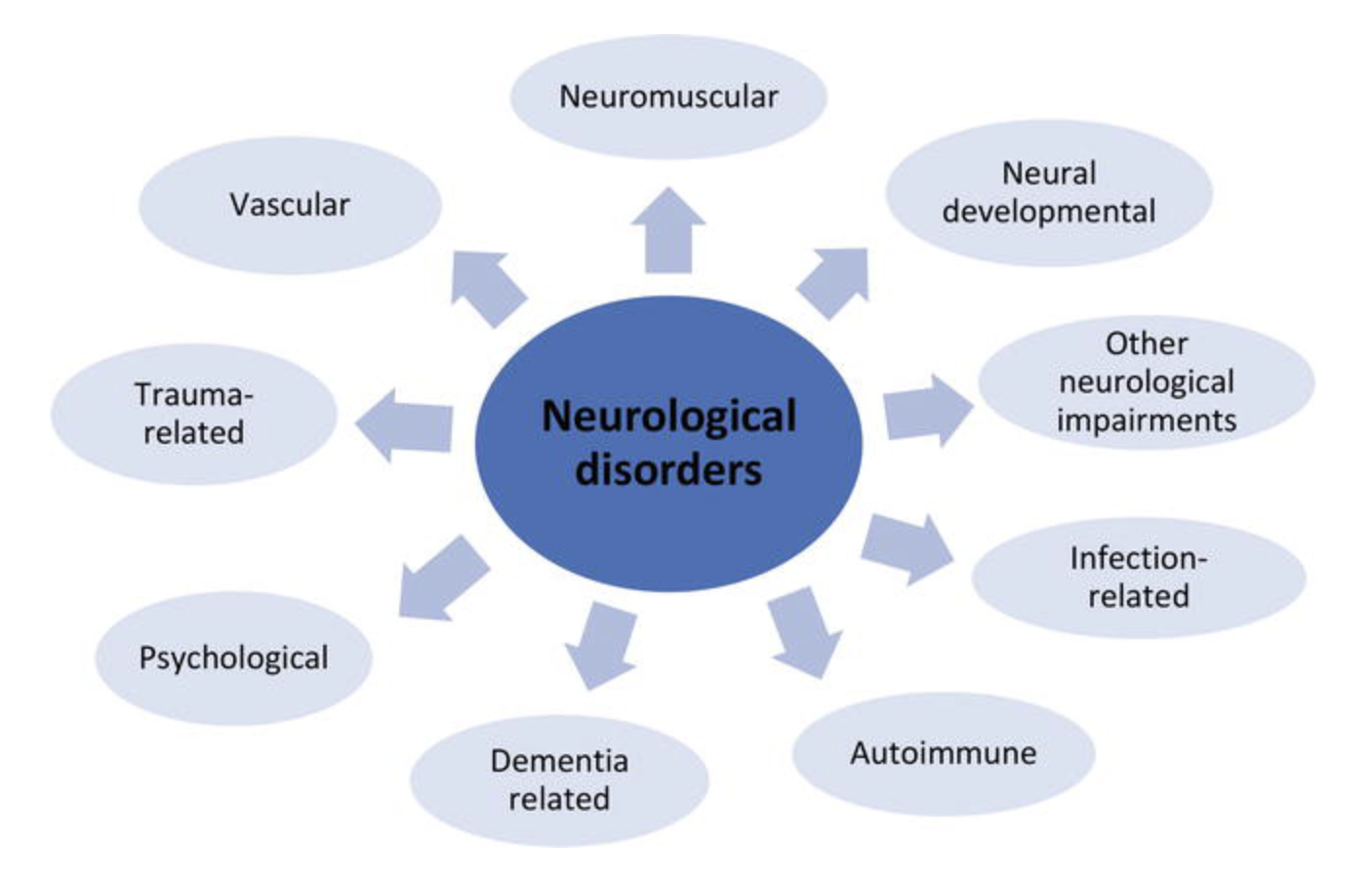
Neurological disorders affect the brain, spinal cord, and nerves. They impact millions of people worldwide and contribute significantly to disability and reduced quality of life. As the global population grows, the burden of neurological conditions continues to increase.

Therefore, understanding these disorders and exploring supportive approaches is essential.


Neurological Disorders and Bioresonance: A Comprehensive InsightWhat Are Neurological Disorders?

Neurological disorders include a wide range of conditions affecting the nervous system. For example, they include:

  • Alzheimer’s disease
  • Parkinson’s disease
  • Epilepsy
  • Multiple sclerosis
  • Migraines and chronic headaches

These conditions arise when structural, biochemical, or electrical disruptions affect the nervous system. As a result, individuals may experience a wide variety of symptoms.


Causes of Neurological Disorders

Neurological conditions are complex and often multifactorial. Common contributing factors include:

  • Physical injury or trauma
  • Genetic predisposition
  • Infections
  • Environmental exposures
  • Nutritional deficiencies
  • Chronic lifestyle factors

In addition, both the brain and nervous system are sensitive to even minor disruptions. Therefore, early identification and support are important.


Signs and Symptoms

Symptoms vary depending on the condition. However, they may include:

Emotional and Cognitive Symptoms

  • Mood changes
  • Anxiety or depression
  • Memory impairment
  • Difficulty concentrating

Physical Symptoms

  • Muscle weakness
  • Pain or numbness
  • Seizures
  • Coordination difficulties
  • Fatigue or dizziness

As a result, diagnosis and management require an individualised approach.


Conventional Treatment Approaches

Treatment depends on the specific condition and severity. Typically, management may include:

  • Medications
  • Physiotherapy
  • Cognitive or behavioural therapy
  • Lifestyle modifications
  • In some cases, surgical intervention

Therefore, professional medical care remains essential in managing neurological disorders.


Bioresonance Therapy: A Complementary Perspective

Bioresonance therapy is a complementary approach that focuses on electromagnetic signal patterns in the body. Practitioners aim to assess these signals and identify potential imbalances.

Some practitioners suggest that bioresonance may:

  • Support nervous system regulation
  • Promote relaxation and stress reduction
  • Enhance overall wellbeing

However, scientific evidence supporting its effectiveness in neurological disorders remains limited. Therefore, it should not replace conventional medical treatment.


How Bioresonance May Support Neurological Health

Bioresonance sessions are typically tailored to the individual. As a result, practitioners may focus on specific stressors and functional patterns.

Some individuals report:

  • Improved relaxation
  • Better stress resilience
  • Enhanced overall balance

Nevertheless, outcomes vary, and further clinical research is required.


Important Considerations

Neurological disorders are serious medical conditions. Therefore, appropriate diagnosis and treatment are essential.

Bioresonance therapy should:

  • Be used alongside conventional medical care
  • Not replace prescribed treatments
  • Be guided by a qualified practitioner

Conclusion

Neurological disorders are complex and require comprehensive management. While conventional treatments remain the foundation of care, complementary therapies such as bioresonance may offer additional support.

Ultimately, a balanced and integrative approach may help improve long-term wellbeing and quality of life.


Join as on Facebook https://www.facebook.com/PureNatureLife

Remember to subscribe to the channel! t.me/pnlclinic

Can Bioresonance Treat Cholesterol? Insights from Australian Statistics.

Can Bioresonance Support Cholesterol Balance? Insights from Australian Data

Introduction

High cholesterol is a major health concern in Australia. It affects a significant proportion of adults and increases the risk of cardiovascular disease. According to national data, millions of Australians have elevated LDL (“bad”) cholesterol levels.

Therefore, understanding how to manage cholesterol effectively is essential for long-term health.


Understanding Cholesterol

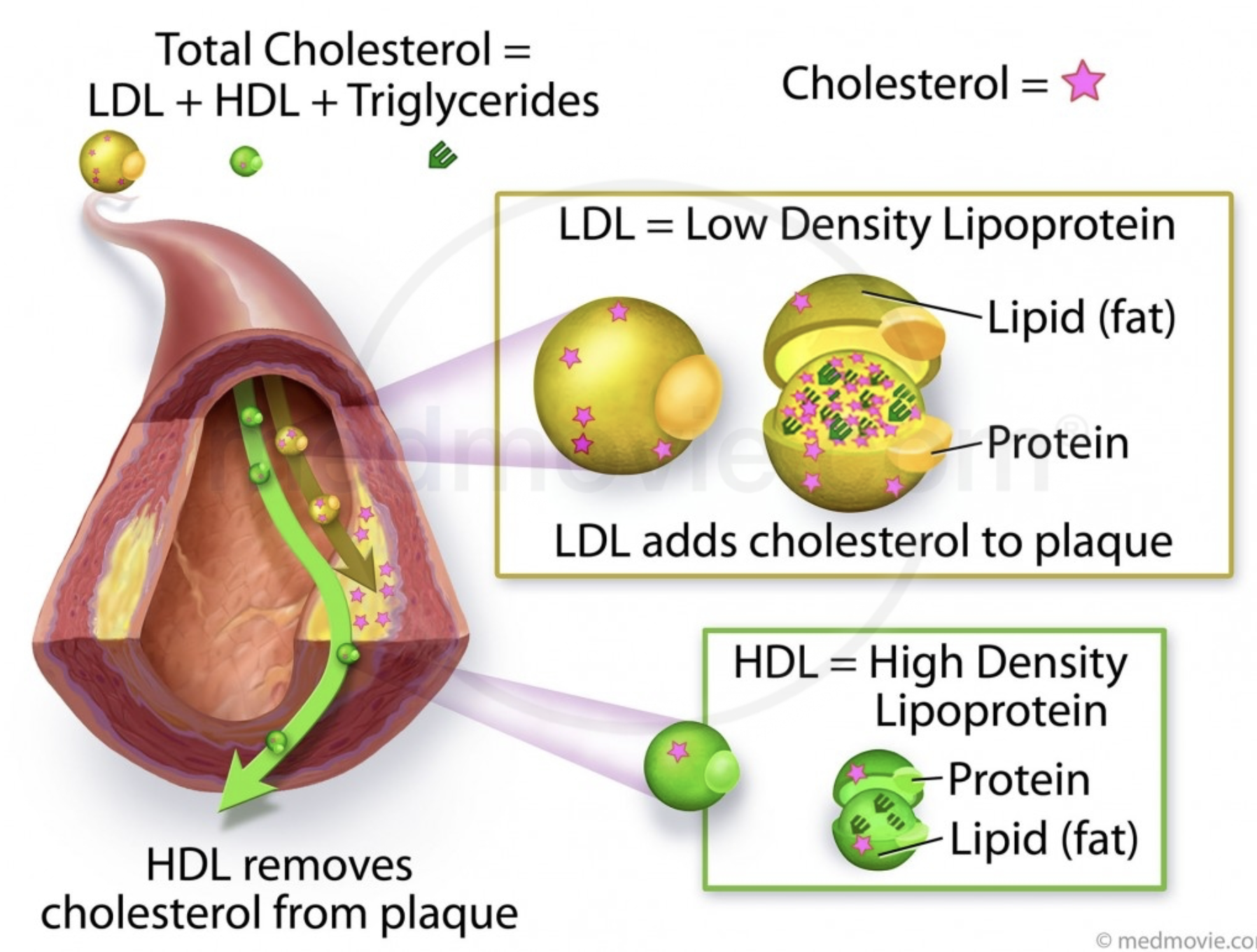
Cholesterol is a lipid that plays an important role in the body. It supports hormone production, cell structure, and metabolic function. However, excessive cholesterol in the bloodstream can lead to plaque buildup in arteries.

Types of Cholesterol:

  • LDL (Low-Density Lipoprotein): Often referred to as “bad” cholesterol because it contributes to plaque formation
  • HDL (High-Density Lipoprotein): Known as “good” cholesterol because it helps remove excess cholesterol

As a result, maintaining a healthy balance between LDL and HDL is crucial.

Bioresonance Therapy for Cholesterol | Natural Support for Heart Health


Causes of High Cholesterol

High cholesterol develops due to multiple factors. These commonly include:

  • Diet high in saturated and trans fats
  • Excess body weight
  • Physical inactivity
  • Smoking
  • Ageing
  • Genetic predisposition
  • Medical conditions (e.g., diabetes, thyroid disorders)

Therefore, addressing these factors is key to effective management.


Conventional Management Strategies

Managing cholesterol typically involves lifestyle changes and, when necessary, medication.

Key Strategies Include:

  • Adopting a balanced, heart-healthy diet
  • Increasing physical activity
  • Maintaining a healthy weight
  • Reducing alcohol intake
  • Stopping smoking

In addition, medications may be prescribed to lower cholesterol levels when lifestyle measures are not sufficient.


Bioresonance Therapy: A Complementary Perspective

Bioresonance therapy is a complementary approach that focuses on assessing electromagnetic patterns in the body. Practitioners aim to identify potential imbalances and support overall regulation.

Some practitioners suggest that bioresonance may:

  • Support metabolic balance
  • Assist with stress regulation
  • Promote overall wellbeing

However, scientific evidence supporting its role in cholesterol management remains limited. Therefore, it should not replace conventional treatment.


Important Considerations

Bioresonance therapy should be used as part of a broader health strategy. For best outcomes, it should complement:

  • Evidence-based medical care
  • Lifestyle modification
  • Regular health monitoring

Importantly, claims of guaranteed results or rapid cholesterol reduction are not supported by strong clinical evidence.


Conclusion

High cholesterol requires a comprehensive and evidence-based approach to management. While complementary therapies such as bioresonance may offer additional support, conventional strategies remain essential.

Ultimately, combining medical guidance with supportive lifestyle and complementary approaches may help individuals achieve better long-term outcomes.

Harnessing Bioresonance Therapy to Address Weight Gain

Harnessing Bioresonance Therapy to Support Weight Management

Introduction

Weight gain is a common concern and can result from multiple factors, including lifestyle, hormonal balance, and metabolic health. While traditional approaches such as diet and exercise remain essential, some individuals seek additional support.

Therefore, complementary therapies like bioresonance are gaining attention within holistic health. This article explores how bioresonance therapy may support individuals on their weight management journey.


Bioresonance Therapy for Weight Loss | Natural Support for MetabolismUnderstanding Bioresonance Therapy

Bioresonance therapy is a complementary modality based on the concept that the body emits electromagnetic signals. Practitioners aim to assess these signals to identify potential imbalances.

When imbalances are identified, sessions focus on supporting the body’s regulatory processes. As a result, this approach aims to promote overall balance rather than targeting weight alone.


How Bioresonance May Support Weight Management

1. Identifying Underlying Factors

Bioresonance may help highlight contributing factors such as stress, lifestyle patterns, or sensitivities. As a result, individuals can better understand potential influences on weight.

2. Supporting Hormonal Balance

Hormones play a key role in metabolism and appetite regulation. Therefore, addressing underlying imbalances may support more stable energy regulation.

3. Addressing Food Sensitivities

Some individuals experience digestive discomfort or inflammation linked to certain foods. In addition, identifying sensitivities may support improved dietary choices.

4. Supporting Detoxification Pathways

The body naturally processes and eliminates toxins. While bioresonance is proposed to support these processes, evidence remains limited. Therefore, it should be viewed as supportive rather than curative.

5. Managing Stress and Emotional Eating

Stress can influence eating behaviours and weight patterns. For this reason, supporting nervous system balance may help improve the relationship with food.

6. Personalised Approach

Each session is tailored to the individual. As a result, practitioners can focus on unique patterns and health priorities.


Important Considerations

Bioresonance therapy is not a standalone solution for weight loss. Instead, it should complement:

  • A balanced, nutrient-dense diet
  • Regular physical activity
  • Medical guidance when needed

In addition, scientific research on bioresonance remains limited. Therefore, expectations should remain realistic.


Conclusion

Weight management is complex and requires a personalised approach. While lifestyle strategies form the foundation, complementary therapies such as bioresonance may offer additional support.

Ultimately, combining evidence-based approaches with supportive therapies may help individuals achieve more sustainable results.

Join as on Facebook https://www.facebook.com/PureNatureLife

Remember to subscribe to the channel! t.me/pnlclinic

A New Approach to Migraines: Exploring Bioresonance Therapy

New Approach to Migraines: Exploring Bioresonance Therapy

Introduction

Migraines are a common neurological condition that affects millions of people worldwide. They can significantly impact daily functioning and quality of life. In fact, up to 15% of the global population experiences migraines.

Modern lifestyles, including increased stress and environmental triggers, may contribute to their rising prevalence. Therefore, effective and personalised management strategies are essential.


Understanding Migraine CausesA New Approach to Migraines: Exploring Bioresonance Therapy

Migraines are complex and often triggered by multiple factors. These may include:

  • Stress and emotional strain
  • Hormonal changes
  • Certain foods (e.g., processed or salty foods)
  • Alcohol and caffeine
  • Environmental factors (light, noise, weather changes)
  • Medications

However, triggers vary between individuals. As a result, identifying personal patterns is a key step in prevention.


Recognising Early Signs

Many individuals experience early warning signs before a migraine attack. For example, symptoms may include:

  • Fatigue or excessive yawning
  • Mood changes
  • Food cravings
  • Neck stiffness
  • Irritability

Recognising these signs early can help reduce the severity of attacks. In addition, timely intervention may shorten migraine duration.


Treatment Options for Migraines

Currently, there is no universal cure for migraines. Instead, treatment focuses on symptom relief and prevention.

Common Approaches Include:

  • Pain relief medications (e.g., ibuprofen, aspirin)
  • Preventive therapies for frequent migraines
  • Lifestyle adjustments (stress management, sleep, nutrition)

However, long-term reliance on medication may lead to side effects. Therefore, many individuals explore complementary approaches.


Bioresonance Therapy: A Complementary Approach

Bioresonance therapy is an alternative modality based on electromagnetic signal assessment. It aims to identify potential imbalances and support the body’s regulatory processes.

Some practitioners suggest that bioresonance may:

  • Support nervous system balance
  • Help manage stress responses
  • Improve overall wellbeing

However, scientific evidence remains limited. Therefore, it should be used as a complementary approach rather than a replacement for medical care.


How Bioresonance May Support Migraine Management

Bioresonance sessions are typically tailored to the individual. As a result, practitioners may address specific stress patterns and sensitivities.

Some individuals report:

  • Reduced migraine frequency
  • Improved stress tolerance
  • Better overall balance

Nevertheless, outcomes vary, and further research is required to confirm these effects.


Important Considerations

Migraines can significantly affect health and wellbeing. Therefore, professional medical advice is essential.

Bioresonance therapy should:

  • Be used alongside conventional treatment
  • Not replace prescribed medications
  • Be guided by a qualified practitioner

Conclusion

Migraines require a personalised and comprehensive approach to management. While conventional treatments remain essential, complementary therapies such as bioresonance may provide additional support.

Ultimately, combining evidence-based medicine with supportive strategies may offer the most balanced approach to long-term migraine management.

Bioresonance Therapy and Its Potential Role in Addressing Depression

Bioresonance Therapy and Its Potential Role in Supporting Depression

Introduction

Depression is a complex mental health condition that affects millions of people worldwide. It impacts mood, energy, and overall quality of life. In Australia and globally, its prevalence continues to rise, which highlights the need for effective and supportive treatment strategies.

While conventional treatments remain essential, many individuals are also exploring complementary approaches. One such approach is bioresonance therapy, which is gaining attention within integrative health.


Understanding the Causes of DepressionBioresonance Therapy for Depression | Complementary Mental Health Support

Depression does not have a single cause. Instead, it develops due to a combination of biological, psychological, and environmental factors.

Common Contributing Factors Include:

  • Genetics: A family history may increase susceptibility
  • Trauma or abuse: Emotional or physical stress can have long-term effects
  • Chronic stress: Ongoing pressure impacts mental resilience
  • Medications: Some medications may influence mood
  • Substance use: Alcohol or drug use increases risk
  • Major life events: Loss, divorce, or significant change

Therefore, effective treatment often requires a personalised and multi-layered approach.


Treatment Options for Depression

Treatment depends on the severity and individual needs. Typically, it includes a combination of therapies.

Common Approaches Include:

  • Psychotherapy (e.g., cognitive behavioural therapy)
  • Medications such as antidepressants
  • Lifestyle interventions (exercise, nutrition, sleep)
  • Stress management techniques

Regular physical activity, for example, has been shown to support mood regulation. In addition, structured therapy provides tools for emotional resilience.

However, not every approach works the same for each individual. As a result, complementary strategies are often considered.


Bioresonance Therapy: A Complementary Approach

Bioresonance therapy is based on the concept that the body emits electromagnetic signals. Practitioners aim to assess these patterns and identify potential imbalances.

Some practitioners suggest that bioresonance may:

  • Support nervous system regulation
  • Improve stress response
  • Enhance overall wellbeing

However, scientific evidence supporting its effectiveness for depression remains limited. Therefore, it should be considered a complementary therapy rather than a primary treatment.


How Bioresonance May Support Mental Wellbeing

Bioresonance sessions are tailored to the individual. As a result, they may address personal stress patterns and physiological responses.

Some individuals report:

  • Improved relaxation
  • Better stress tolerance
  • Enhanced overall balance

Nevertheless, outcomes vary, and more research is needed to confirm these effects.


Important Considerations

Depression is a serious medical condition. Therefore, professional medical support is essential.

Bioresonance therapy should:

  • Be used alongside conventional care
  • Not replace prescribed treatment
  • Be guided by a qualified practitioner

Conclusion

Depression requires a comprehensive and personalised approach to care. While conventional treatments remain the foundation, complementary therapies such as bioresonance may offer additional support.

Ultimately, combining evidence-based medicine with supportive strategies may provide the most balanced path to long-term wellbeing.

Bioresonance Therapy and Asthma: A Comprehensive Overview

Bioresonance Therapy and Asthma: A Comprehensive Overview

Introduction

Asthma affects a significant number of individuals in Australia. According to national data, approximately 2.7 million people live with this condition. In fact, asthma impacts 1 in 10 children and 1 in 12 adults.

Although prevalence has remained relatively stable, the burden on individuals and healthcare systems remains substantial. Therefore, exploring supportive and complementary approaches is becoming increasingly relevant.


The Impact of Asthma

Asthma can significantly affect quality of life. In severe cases, it may lead to hospitalisation or life-threatening episodes. For example, asthma attacks can occur suddenly and cause breathing difficulty, chest tightness, and distress.

In addition, many individuals experience limitations in daily activities. Even simple tasks such as climbing stairs or walking can become challenging. As a result, long-term management strategies are essential.


Asthma Triggers and CausesBioresonance Therapy for Asthma | Natural Support for Respiratory Health

Asthma involves airway inflammation and bronchial constriction. While the exact cause varies, both genetic and environmental factors contribute.

Common Triggers Include:

  • Airborne allergens
  • Respiratory infections
  • Physical exertion
  • Cold air
  • Environmental pollutants
  • Certain medications
  • Emotional stress

However, triggers vary between individuals, so personalised management is important.

Risk Factors May Include:

  • Previous asthma history
  • Allergic conditions (e.g., hay fever, eczema)
  • Smoking or second-hand smoke exposure
  • Poor air quality exposure
  • Occupational irritants

Therefore, identifying and reducing exposure to triggers plays a key role in asthma control.


Asthma Management and Treatment Options

Currently, no definitive cure for asthma exists. Instead, treatment focuses on symptom control and prevention.

Key Management Strategies:

  • Avoid known triggers
  • Use prescribed medications (e.g., bronchodilators)
  • Apply breathing techniques and stress management
  • Maintain a balanced, anti-inflammatory diet

For example, omega-3 fatty acids may support inflammatory balance. In addition, relaxation techniques such as breathing exercises can improve symptom control.

Medical treatments remain essential. Therefore, individuals should always follow professional medical advice.


Bioresonance Therapy and Asthma

Bioresonance therapy is a complementary approach that focuses on electromagnetic patterns in the body. It aims to identify potential imbalances and support regulatory processes.

Some practitioners suggest that bioresonance may:

  • Support immune function
  • Promote overall balance
  • Reduce sensitivity to certain triggers

However, scientific evidence remains limited. Therefore, this therapy should be used as a supportive approach rather than a replacement for conventional care.


How Bioresonance May Support Asthma Care

Bioresonance sessions are typically tailored to the individual. As a result, practitioners can address specific patterns and sensitivities.

Some individuals report improvements in:

  • Symptom frequency
  • Stress response
  • Overall wellbeing

Nevertheless, results vary, and more research is required to confirm these effects.


Conclusion

Asthma remains a complex and chronic condition that requires ongoing management. While conventional treatments are essential, complementary approaches such as bioresonance may offer additional support.

Ultimately, a personalised and integrative approach may help individuals achieve better long-term outcomes.

Antibiotic-Resistant Superbugs and Bioresonance Treatment

Antibiotic-Resistant Superbugs and Bioresonance Therapy

Introduction

Antibiotic-resistant superbugs are a growing global health concern. As conventional treatments become less effective, researchers and practitioners are exploring complementary approaches. One such approach is bioresonance therapy. It uses electromagnetic principles to assess patterns in the body and support overall balance. Therefore, interest in this method continues to grow within integrative health.


What Are Antibiotic-Resistant Superbugs?

Antibiotics have supported modern medicine for decades. However, their overuse and misuse have led to resistant bacterial strains. These strains are commonly known as superbugs.

For example:

  • Methicillin-resistant Staphylococcus aureus (MRSA)
  • Carbapenem-resistant Enterobacteriaceae (CRE)

These bacteria show reduced sensitivity to antibiotics. As a result, infections become harder to treat. In addition, they increase the risk of severe complications and place pressure on healthcare systems.


Challenges of Antibiotic Resistance

The rise of antibiotic resistance creates significant challenges. Developing new antibiotics takes time and requires substantial investment. Moreover, bacteria adapt quickly, which often reduces the long-term effectiveness of new drugs.

Consequently, healthcare professionals are increasingly exploring complementary strategies that may support overall health and resilience.


What Is Bioresonance Therapy?

Bioresonance therapy is an alternative approach based on electromagnetic resonance principles. It proposes that cells emit measurable signals.

When these signals become disrupted, imbalances may occur. Therefore, practitioners use bioresonance devices to assess these patterns and provide supportive feedback aimed at restoring balance.


How Bioresonance Works

Bioresonance devices use sensors to detect electromagnetic signals from the body. The system analyses these signals to identify potential stressors or imbalances.

After that, the device delivers specific frequency patterns. These signals aim to support the body’s natural regulatory processes and promote functional balance.


Bioresonance and Antibiotic Resistance

The role of bioresonance in antibiotic-resistant infections remains an emerging and debated topic. Some practitioners suggest that it may support immune function and overall resilience.

However, current scientific evidence remains limited. Therefore, bioresonance should be viewed as a complementary approach rather than a replacement for medical treatment.


Current Research and Limitations

Research in this area is ongoing. Some preliminary findings suggest potential benefits in general wellness support. Nevertheless, high-quality clinical trials remain limited.

As a result, healthcare professionals emphasise the importance of evidence-based medicine. Complementary therapies should always be used responsibly and alongside appropriate medical care.

Antibiotic-Resistant Superbugs & Bioresonance Therapy | Natural Support


Conclusion

Antibiotic-resistant superbugs continue to challenge global healthcare systems. While bioresonance therapy offers an interesting complementary perspective, further research is needed to confirm its role.

Ultimately, a balanced approach that combines conventional medicine with supportive therapies may offer the best outcomes for long-term health.

Six Compelling Reasons Why Bioresonance Emerges as the Healthcare Solution of Tomorrow.

Bioresonance Therapy: A New Perspective on Modern Healthcare

Bioresonance therapy is gaining increasing attention as a complementary approach to health. Rather than focusing only on symptoms, it aims to identify underlying imbalances and support the body’s natural regulatory processes. As a result, many people are exploring it as part of a more holistic health strategy.


Why Bioresonance Is Emerging in Modern Healthcare

1. Root-Cause Focus

Bioresonance therapy focuses on identifying underlying stressors that may contribute to health concerns. Therefore, it supports long-term balance instead of temporary symptom relief.

2. Holistic Assessment

Unlike conventional approaches, bioresonance considers the body as an interconnected system. In addition, it evaluates energetic patterns and stress responses to provide a broader understanding of health.

3. Non-Invasive and Gentle

Bioresonance is a non-invasive modality, and it is generally well tolerated. For this reason, it suits individuals who prefer gentle and supportive therapies.

4. Personalised Support

Each session is tailored to the individual. As a result, practitioners can provide targeted support based on unique health patterns and priorities.

5. Reduced Reliance on Medication

By addressing underlying imbalances, this approach may complement conventional care. Consequently, some individuals reduce their reliance on frequent symptom-based interventions.

6. Broad Applicability

Bioresonance is used across various wellness contexts and age groups. Therefore, it remains a versatile option within complementary healthcare.


Advantages of Bioresonance as a Diagnostic and Support Tool

Holistic Insights

Bioresonance may help identify underlying stressors that standard assessments can miss. In this way, it provides additional insight into functional imbalances.

Safe Complementary Approach

Its non-invasive nature makes it suitable alongside conventional healthcare. Importantly, it supports patients without adding additional physical burden.

Targeted Methodology (BICOM® Technology)

Advanced systems such as BICOM® assess individual response patterns. As a result, practitioners can tailor support strategies more precisely.

Supports Natural Healing Processes

This approach supports the body’s innate ability to regulate and restore balance. Over time, this may contribute to improved resilience.

Versatile Use

Bioresonance can support a wide range of wellness goals. For example, it is often used in stress management, immune support, and general wellbeing.

Comprehensive Perspective

Bioresonance does not replace medical diagnosis. However, it can provide valuable complementary insights.


Is Bioresonance Right for You?Bioresonance Therapy Australia | Holistic & Non-Invasive Health Approach

Bioresonance therapy may suit individuals who:

  • Prefer a holistic and personalised approach
  • Want non-invasive support options
  • Seek complementary strategies alongside conventional care
  • Focus on long-term health optimisation

Important Consideration

Bioresonance therapy is a complementary modality. It does not replace medical diagnosis or treatment. Therefore, always consult a qualified healthcare provider for serious or ongoing conditions.


Conclusion

Bioresonance therapy represents a growing area within integrative health. Overall, its personalised, non-invasive, and root-cause-focused approach makes it appealing for those seeking broader health support.