Exploring Bioresonance Therapy for Allergies: An Innovative Approach

Exploring Bioresonance Therapy for Allergies: A Modern Perspective

Introduction

Allergies are becoming increasingly common. Many people experience symptoms such as sneezing, itchy eyes, skin reactions, or breathing difficulties.

While conventional treatments can help, some individuals continue to look for additional support. As a result, interest in complementary approaches, including bioresonance therapy, is growing.


Understanding Allergies

Allergies occur when the immune system overreacts to substances that are usually harmless. These substances are known as allergens.

Common allergens include pollen, dust, animal dander, and certain foods.

Normally, the immune system protects the body. However, in allergies, this response becomes exaggerated.


The Role of the Immune System

The immune system is complex and highly adaptive. It identifies what belongs in the body and what does not.

When this process becomes imbalanced, harmless substances may trigger inflammation and symptoms. Therefore, restoring balance is often a key goal in allergy management.


What Is Bioresonance Therapy?

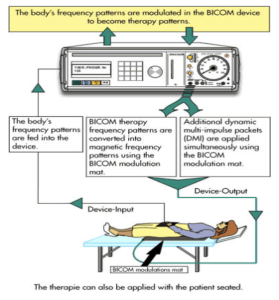
Bioresonance therapy is a non-invasive method based on the concept that the body emits electromagnetic signals.

Practitioners use specialised devices to assess these signals and aim to support balance within the body.


How Bioresonance May Support Allergy Managementbioresonance therapy for allergies
Some practitioners use bioresonance therapy as part of a holistic plan.

It may aim to:

  • Support immune regulation
  • Reduce sensitivity to allergens
  • Improve overall wellbeing

However, responses vary between individuals, and results are not guaranteed.


Scientific Perspective and Limitations

Research into bioresonance therapy is still evolving.

Some observational studies suggest potential benefits. However, there is limited high-quality clinical evidence to confirm its effectiveness. Therefore, it should be considered a complementary, not primary, treatment.


A Holistic Approach to Allergy Care

Managing allergies often requires a multi-layered approach.

This may include:

  • Identifying and reducing exposure to triggers
  • Supporting gut health
  • Improving nutrition
  • Managing stress
  • Medical treatment when necessary

Complementary therapies may be included as part of this broader strategy.


Why Personalisation Matters

Each person’s immune system responds differently.

Therefore, personalised care is essential when addressing allergies and long-term health.


Conclusion

Bioresonance therapy offers an alternative perspective on allergy support.

While scientific evidence is still developing, it may play a role within a holistic and integrative health plan.


Alternative Approach to Allergy Therapy Utilizing Bioresonance.

Alternative Approach to Allergy Therapy Using Bioresonance

Understanding Allergies

Allergies occur when the immune system reacts to substances that are usually harmless. These substances are known as allergens.

Common triggers include pollen, dust, foods, and environmental factors.


Why Many People Seek Alternative Approaches

Conventional treatments can help manage symptoms. However, some individuals continue to experience ongoing discomfort.

As a result, interest in complementary approaches has increased.


What Is Bioresonance Therapy?

Bioresonance therapy is a non-invasive method that focuses on the body’s electromagnetic signals.

According to this concept, imbalances in these signals may be linked to physiological stress or environmental exposure.


How Bioresonance Is Thought to Work

This approach suggests that the body emits frequency patterns that reflect its internal state.

Bioresonance devices aim to detect these patterns and support balance. Therefore, the goal is to assist the body’s natural regulatory processes.


Potential Role in Allergy Supportbioresonance allergy treatment

Some practitioners use bioresonance as part of a broader allergy management plan.

For example, it may be used to support:

  • Immune system balance
  • Reduction of sensitivity to triggers
  • Overall wellbeing

However, responses vary between individuals.


Scientific Perspective and Limitations

Research into bioresonance therapy is ongoing. Some observational studies report positive outcomes.

However, there is limited high-quality clinical evidence to confirm its effectiveness. Therefore, results should be interpreted with caution.


A Holistic Approach to Allergy Management

Managing allergies often requires a multi-layered strategy.

This may include:

  • Identifying triggers
  • Supporting gut health
  • Nutritional adjustments
  • Lifestyle changes
  • Medical treatment when required

In some cases, complementary therapies may also be included.


Why Individualised Care Matters

Each person’s immune response is unique.

Therefore, personalised care is essential for achieving sustainable results.


Final Thoughts

Bioresonance therapy offers an alternative perspective on allergy management.

While evidence is still evolving, it may be considered as part of a broader, integrative approach to health.

Exploring Herpes Virus, its Impact on Human Health, and Bioresonance Treatment.

Herpes Virus: Symptoms, Impact on Health, and Support Options

What Is the Herpes Virus?

The herpes virus is a group of DNA viruses known as Herpesviridae. These viruses are widespread and can affect different areas of the body.

The most common types are herpes simplex virus type 1 (HSV-1) and type 2 (HSV-2).


Types of Herpes Virusesherpes-virus-symptoms-treatment

Different herpes viruses affect the body in different ways:

  • HSV-1 – commonly causes cold sores around the mouth
  • HSV-2 – primarily associated with genital herpes
  • Varicella-zoster virus (HHV-3) – causes chickenpox and shingles

Each type has unique characteristics but shares similar biological behaviour.


Common Symptoms of Herpes Virus

Symptoms can vary depending on the type and the individual.

However, common signs include:

  • Painful blisters or sores
  • Tingling or burning sensation before outbreaks
  • Itching or skin irritation
  • Fatigue or general discomfort

In some cases, individuals may have no symptoms.


How Herpes Is Transmitted

The virus spreads through direct contact with infected skin or bodily fluids.

For example, transmission may occur through:

  • Kissing
  • Skin-to-skin contact
  • Sexual contact
  • Contact with saliva or lesions

Importantly, transmission can occur even when symptoms are not visible.


Dormancy and Reactivation

After initial infection, the virus remains in the body in a dormant state.

However, certain triggers may reactivate it, including:

  • Stress
  • Illness
  • Fatigue
  • Weakened immunity

As a result, recurrent outbreaks may occur.


Conventional Treatment Options

Medical treatment typically involves antiviral medications.

Common options include acyclovir, valaciclovir, and famciclovir. These medications help reduce symptom severity and frequency.

However, they do not eliminate the virus completely.


Bioresonance as a Complementary Approach

Bioresonance therapy is sometimes used as a supportive method in holistic care.

It focuses on assessing patterns within the body and supporting overall balance. However, it is not a replacement for medical treatment.

Scientific evidence remains limited. Therefore, it should be used cautiously and alongside professional care.


Supporting the Body Naturally

In addition to medical care, supporting overall health is important.

For example:

  • Maintaining a balanced diet
  • Supporting immune function
  • Managing stress
  • Getting adequate sleep

These strategies may help reduce the frequency of outbreaks.


Final Thoughts

The herpes virus is common and manageable with the right approach.

A combination of medical treatment and supportive lifestyle strategies may help improve overall wellbeing.

Bioresonance Application in Managing Lyme Disease

Bioresonance for Lyme Disease: Understanding the Approach

What Is Lyme Disease?

Lyme disease is a bacterial infection transmitted through tick bites. It is most commonly associated with Borrelia burgdorferi.

Symptoms may include fatigue, fever, joint pain, headaches, and skin rash. However, presentation can vary significantly between individuals.


Why Lyme Disease Can Be Difficult to Diagnose

Diagnosis is often challenging. Standard testing methods may not always detect the infection, especially in early or complex cases.

In addition, symptoms may overlap with other conditions. Therefore, misdiagnosis can occur.


Clinical Signs and Symptomsbioresonance for lyme disease

Common signs of Lyme disease may include:

  • Erythema migrans (characteristic rash)
  • Fatigue and weakness
  • Joint and muscle pain
  • Headaches
  • Swollen lymph nodes

However, not all individuals experience the same symptoms.


Exploring Bioresonance as a Complementary Approach

Bioresonance therapy is sometimes used as part of a broader, integrative strategy.

It focuses on assessing patterns within the body and supporting overall balance. However, it is not considered a primary diagnostic method.

Therefore, it should be used alongside appropriate medical evaluation.


How Bioresonance Is Thought to Work

This approach is based on the concept that the body emits electromagnetic signals.

According to this model, imbalances may be reflected in altered signal patterns. Bioresonance devices aim to detect and modulate these patterns.

As a result, the goal is to support the body’s natural processes.


Potential Role in Lyme Disease Management

Some practitioners use bioresonance to complement conventional care.

For example, it may be included as part of a broader plan that supports:

  • Immune function
  • Energy balance
  • Recovery processes

However, scientific evidence remains limited. Therefore, expectations should remain realistic.


Limitations and Considerations

It is important to understand that bioresonance therapy is still under investigation.

There is currently insufficient high-quality clinical evidence to confirm its effectiveness in treating Lyme disease.

For this reason, it should not replace conventional medical treatment.


A Holistic Approach to Care

Managing Lyme disease often requires a personalised and multi-layered approach.

This may include:

  • Medical treatment
  • Nutritional support
  • Lifestyle adjustments
  • Stress management

In some cases, complementary therapies may also be considered.


Final Thoughts

Lyme disease is complex and often misunderstood.

A balanced approach that combines medical care with supportive strategies may offer the best outcomes. Therefore, working with experienced healthcare professionals is essential.

Unveiling the Hidden Realities of Lyme Disease.

Unveiling the Hidden Realities of Lyme Disease

Lyme disease is a complex condition that can be difficult to diagnose. In many cases, individuals may not realise they are affected.

This is partly due to the limitations of current testing methods and the presence of co-infections. As a result, symptoms may be overlooked or misinterpreted.


Why Lyme Disease Is Often Missed

Diagnosing Lyme disease can be challenging. Standard tests may produce inconclusive or false-negative results.

In addition, the bacteria responsible (Borrelia species) can evade the immune system. Therefore, detection may not always be straightforward.


Understanding the Infection

Lyme disease is commonly associated with tick bites, particularly from the deer tick.

However, symptoms can vary widely. These may include fatigue, joint pain, neurological symptoms, and immune imbalance.


The Challenge of Chronic Lyme Disease

In some cases, symptoms persist even after initial treatment. This is often referred to as chronic Lyme disease.

However, this area remains controversial within conventional medicine. Therefore, treatment approaches may differ between practitioners.


Exploring Bioresonance as a Complementary ApproachLyme disease bioresonance

Bioresonance is sometimes used as a complementary method to assess patterns within the body.

It is not a diagnostic replacement. However, some practitioners use it alongside conventional testing to gain additional insights.

As a result, it may support a broader, integrative approach to care.


Understanding Different Perspectives

There are ongoing discussions regarding Lyme disease diagnosis and treatment guidelines.

For example, some clinicians advocate for broader recognition of chronic symptoms. Others emphasise standardised protocols.

Therefore, patients may encounter differing opinions when seeking care.


Emerging Areas of Research

Research continues to explore Lyme disease, including co-infections and immune responses.

In addition, some studies investigate how infections may affect the nervous system and overall health. However, more high-quality evidence is needed.


A Balanced Approach to Care

Managing Lyme disease often requires a personalised approach.

This may include medical treatment, nutritional support, and lifestyle strategies. In some cases, complementary therapies may also be considered.


Final Thoughts

Lyme disease remains a complex and evolving area of medicine.

Early recognition and appropriate support are important. Therefore, working with experienced healthcare practitioners can help guide effective care.

Parasite Infections & Bioresonance: Understanding the Connection

Parasite Infections & Bioresonance: Understanding the Connection

Parasite infection symptoms can often go unnoticed…

How Common Are Parasite Infections?

Parasite infections are more common than many people realise. Research suggests that a significant portion of the global population may carry at least one type of parasite.

In many cases, infections can remain unnoticed for long periods.


Why Parasites Often Go Undetected

Parasites can live in the body without causing immediate symptoms. As a result, many individuals are unaware of their presence.

However, when the body becomes stressed or imbalanced, symptoms may begin to appear.


Common Symptoms of Parasite Infections

Symptoms can vary depending on the type of parasite. However, some common signs include:

  • Bloating and digestive discomfort
  • Diarrhoea or constipation
  • Fatigue and low energy
  • Skin irritation or rashes
  • Unexplained weight changes
  • Nausea or abdominal pain

Because these symptoms overlap with other conditions, accurate assessment is important.


Risk Factors to Consider

Certain factors may increase the likelihood of parasite exposure. For example:

  • Travel to high-risk regions
  • Contaminated food or water
  • Close contact with animals
  • Poor gut health

Therefore, a comprehensive health history is essential.


Conventional Treatment Approaches

In conventional medicine, parasite infections are typically treated with prescription medications.

These treatments can be effective. However, some individuals may experience side effects or require additional support during recovery.


The Role of Bioresonance Therapy

Bioresonance therapy is sometimes used as a complementary approach. It aims to assess patterns within the body and support overall balance.

Some practitioners suggest it may help identify imbalances associated with parasites. However, scientific evidence in this area remains limited.

Therefore, it should be used alongside appropriate medical care, not as a replacement.


A Holistic Approach to Gut Health

Supporting the body during and after infection is important.

For example, a naturopathic approach may include:

  • Supporting gut microbiome balance
  • Improving digestion
  • Reducing inflammation
  • Nutritional support
  • Herbal medicine where appropriate

As a result, recovery may be more sustainable.


Why Individualised Care Matters

Each person responds differently to infection and treatment.

Therefore, personalised care is essential to address underlying factors and support long-term health.


Final Thoughts

Parasite infections can be complex and often overlooked. However, early identification and appropriate support can make a significant difference.

A combined approach, using both medical and complementary strategies, may offer the most balanced path to recovery.


Contact Pure Nature Life

If you are concerned about parasite symptoms or gut health, professional guidance can help.

📧 info@purenaturelife.com.au
📞 0479 079 633

Book here 

The Science Behind Bioresonance

The Science Behind Bioresonance Therapy

Bioresonance therapy is often described as a non-invasive approach that focuses on the body’s energetic signals.

While interest in this method is growing, understanding the scientific perspective is important.


Origins of Bioresonance Therapy

Bioresonance therapy was developed in the late 1970s by Dr. Franz Morell. It is based on the idea that all matter, including the human body, emits electromagnetic signals.

According to this concept, changes in these signals may reflect physiological imbalances.


How Bioresonance Is Thought to Work

This approach proposes that healthy cells emit stable electromagnetic frequencies. In contrast, stressed or unbalanced cells may produce altered signals.

Bioresonance devices aim to detect these signals and respond by modulating them. Therefore, the goal is to support the body’s natural balance.


Comparison with Conventional Technologies

In conventional medicine, devices such as EEG measure electrical activity in the brain. Similarly, bioresonance focuses on detecting patterns of electromagnetic activity.

However, the methods and interpretations differ significantly. As a result, bioresonance is considered a complementary approach rather than a standard diagnostic tool.


Potential Therapeutic Applications

Some practitioners use bioresonance therapy to support a range of conditions. These may include:

  • Stress and fatigue
  • Allergies and sensitivities
  • Digestive concerns
  • General wellbeing

In addition, it is valued for being non-invasive and generally well tolerated.


What Does Research Say?

Research into bioresonance therapy is still developing. Some studies have reported positive outcomes in areas such as pain management and sleep disturbances.

However, there is currently limited high-quality clinical evidence to confirm its effectiveness across all conditions. Therefore, further research is needed.


Understanding the Limitations

It is important to approach bioresonance therapy with balanced expectations.

While early findings are promising, the lack of large-scale, rigorous clinical trials means conclusions remain preliminary. For this reason, it should not replace conventional medical care.


A Complementary Perspective

Bioresonance therapy may be used as part of a broader, integrative health approach.

For example, it is often combined with nutrition, herbal medicine, and lifestyle support. As a result, it can complement other strategies aimed at improving overall wellbeing.


Final Thoughts

Bioresonance therapy represents an evolving area of interest within complementary medicine.

While the scientific evidence is still emerging, many individuals explore this approach as part of a personalised health plan. Therefore, working with a qualified practitioner is essential.


Explore Bioresonance Therapy at Pure Nature Life

If you are interested in learning more about bioresonance therapy, personalised consultations are available.

📧 info@purenaturelife.com.au
📞 0479 079 633

Book here

The Science Behind Bioresonance Therapy

Did you know that bio-resonance therapy could be the missing piece in your health journey?


Could Bioresonance Therapy Support Your Health Journey?

Bioresonance therapy is gaining attention as a gentle, non-invasive approach to supporting overall wellbeing.

It focuses on restoring balance within the body and may be used alongside other natural therapies.


What Is Bioresonance Therapy?Bioresonance Therapy Benefits | Natural Support for Whole-Body Health

Bioresonance therapy is based on the concept that the body emits electromagnetic signals.

According to this approach, imbalances in these signals may be associated with stress, environmental factors, or internal dysfunction.

Therefore, therapy aims to identify and support these imbalances in a controlled and gentle way.


Potential Benefits of Bioresonance Therapy

Many people seek bioresonance therapy as part of a holistic health plan.

For example, it may support:

  • Energy balance
  • Stress reduction
  • Detoxification pathways
  • Immune system function
  • General wellbeing

However, individual responses may vary. Therefore, a personalised approach is important.


A Complementary Approach to Health

Bioresonance therapy is not intended to replace medical care. Instead, it can be used as a complementary method alongside conventional treatment.

In addition, it is often combined with nutrition, herbal medicine, and lifestyle support to achieve better outcomes.


Is Bioresonance Therapy Right for You?

This therapy may be suitable for individuals seeking a gentle and supportive approach to health.

However, it is important to consult a qualified practitioner to determine whether it is appropriate for your specific needs.


What to Expect from a Session

During a session, a practitioner assesses your body’s responses using specialised equipment.

The process is non-invasive and generally well tolerated. As a result, many clients find it comfortable and relaxing.


Final Thoughts

Bioresonance therapy offers a unique perspective on health by focusing on the body’s energetic balance.

While research is still evolving, many individuals choose this approach as part of a broader wellness strategy.


Book a Consultation

If you would like to explore bioresonance therapy, Pure Nature Life offers personalised consultations tailored to your health goals.

📧 info@purenaturelife.com.au
📞 0479 079 633