Can Bioresonance Support Cholesterol Balance? Insights from Australian Data
Introduction
High cholesterol is a major health concern in Australia. It affects a significant proportion of adults and increases the risk of cardiovascular disease. According to national data, millions of Australians have elevated LDL (“bad”) cholesterol levels.
Therefore, understanding how to manage cholesterol effectively is essential for long-term health.
Understanding Cholesterol
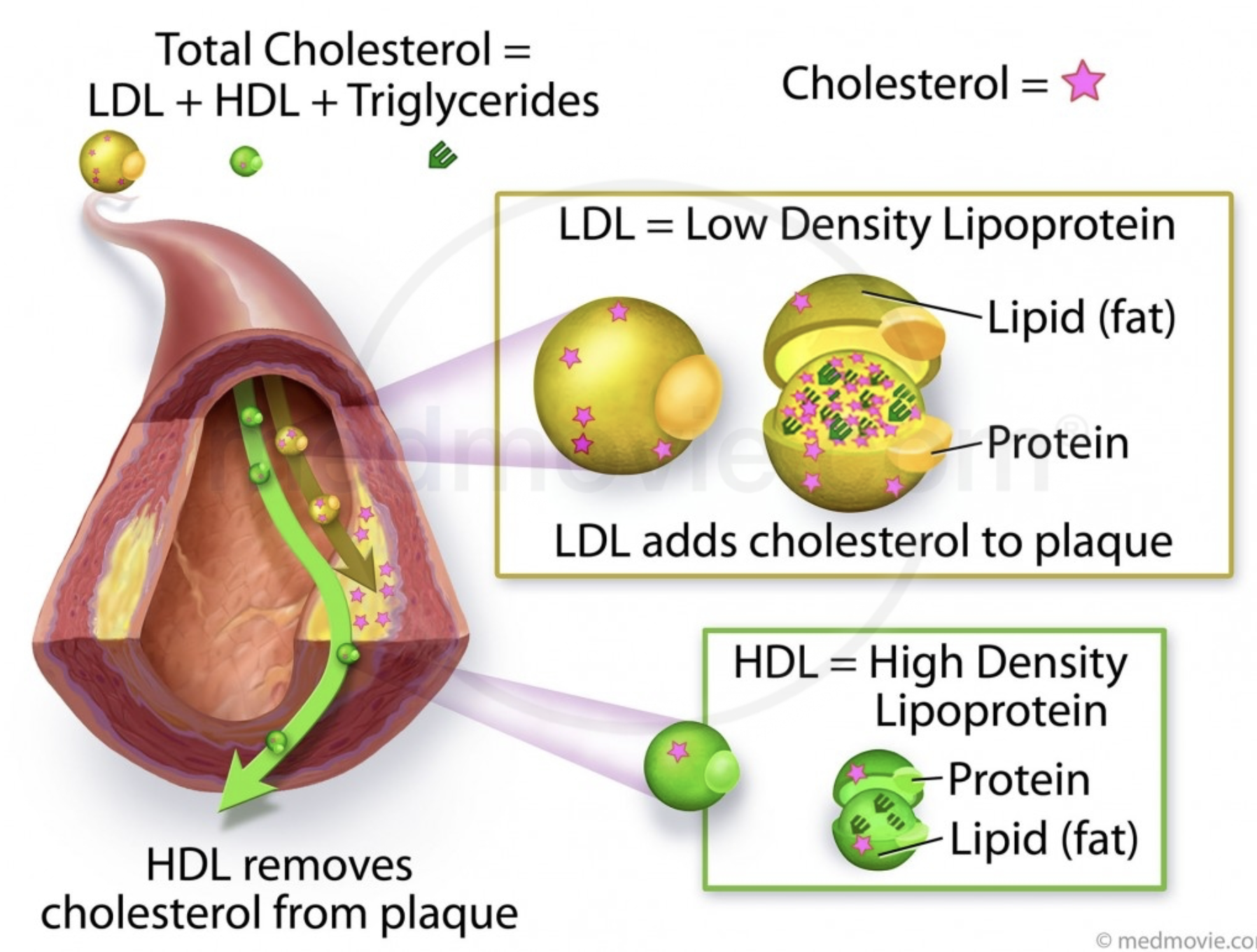
Cholesterol is a lipid that plays an important role in the body. It supports hormone production, cell structure, and metabolic function. However, excessive cholesterol in the bloodstream can lead to plaque buildup in arteries.
Types of Cholesterol:
- LDL (Low-Density Lipoprotein): Often referred to as “bad” cholesterol because it contributes to plaque formation
- HDL (High-Density Lipoprotein): Known as “good” cholesterol because it helps remove excess cholesterol
As a result, maintaining a healthy balance between LDL and HDL is crucial.
Causes of High Cholesterol
High cholesterol develops due to multiple factors. These commonly include:
- Diet high in saturated and trans fats
- Excess body weight
- Physical inactivity
- Smoking
- Ageing
- Genetic predisposition
- Medical conditions (e.g., diabetes, thyroid disorders)
Therefore, addressing these factors is key to effective management.
Conventional Management Strategies
Managing cholesterol typically involves lifestyle changes and, when necessary, medication.
Key Strategies Include:
- Adopting a balanced, heart-healthy diet
- Increasing physical activity
- Maintaining a healthy weight
- Reducing alcohol intake
- Stopping smoking
In addition, medications may be prescribed to lower cholesterol levels when lifestyle measures are not sufficient.
Bioresonance Therapy: A Complementary Perspective
Bioresonance therapy is a complementary approach that focuses on assessing electromagnetic patterns in the body. Practitioners aim to identify potential imbalances and support overall regulation.
Some practitioners suggest that bioresonance may:
- Support metabolic balance
- Assist with stress regulation
- Promote overall wellbeing
However, scientific evidence supporting its role in cholesterol management remains limited. Therefore, it should not replace conventional treatment.
Important Considerations
Bioresonance therapy should be used as part of a broader health strategy. For best outcomes, it should complement:
- Evidence-based medical care
- Lifestyle modification
- Regular health monitoring
Importantly, claims of guaranteed results or rapid cholesterol reduction are not supported by strong clinical evidence.
Conclusion
High cholesterol requires a comprehensive and evidence-based approach to management. While complementary therapies such as bioresonance may offer additional support, conventional strategies remain essential.
Ultimately, combining medical guidance with supportive lifestyle and complementary approaches may help individuals achieve better long-term outcomes.