Herpes Virus: Symptoms, Impact on Health, and Support Options
What Is the Herpes Virus?
The herpes virus is a group of DNA viruses known as Herpesviridae. These viruses are widespread and can affect different areas of the body.
The most common types are herpes simplex virus type 1 (HSV-1) and type 2 (HSV-2).
Types of Herpes Viruses
Different herpes viruses affect the body in different ways:
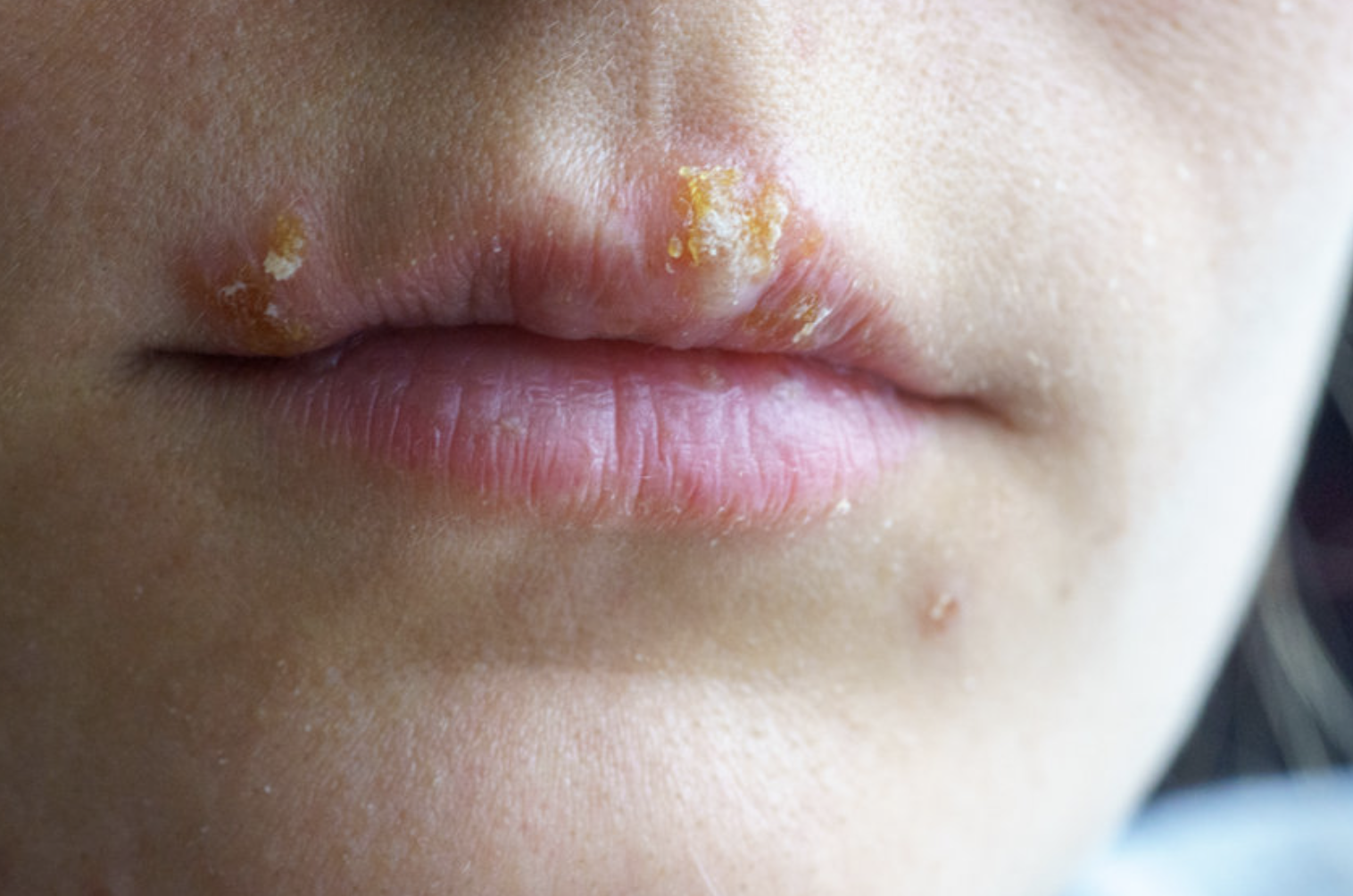
- HSV-1 – commonly causes cold sores around the mouth
- HSV-2 – primarily associated with genital herpes
- Varicella-zoster virus (HHV-3) – causes chickenpox and shingles
Each type has unique characteristics but shares similar biological behaviour.
Common Symptoms of Herpes Virus
Symptoms can vary depending on the type and the individual.
However, common signs include:
- Painful blisters or sores
- Tingling or burning sensation before outbreaks
- Itching or skin irritation
- Fatigue or general discomfort
In some cases, individuals may have no symptoms.
How Herpes Is Transmitted
The virus spreads through direct contact with infected skin or bodily fluids.
For example, transmission may occur through:
- Kissing
- Skin-to-skin contact
- Sexual contact
- Contact with saliva or lesions
Importantly, transmission can occur even when symptoms are not visible.
Dormancy and Reactivation
After initial infection, the virus remains in the body in a dormant state.
However, certain triggers may reactivate it, including:
- Stress
- Illness
- Fatigue
- Weakened immunity
As a result, recurrent outbreaks may occur.
Conventional Treatment Options
Medical treatment typically involves antiviral medications.
Common options include acyclovir, valaciclovir, and famciclovir. These medications help reduce symptom severity and frequency.
However, they do not eliminate the virus completely.
Bioresonance as a Complementary Approach
Bioresonance therapy is sometimes used as a supportive method in holistic care.
It focuses on assessing patterns within the body and supporting overall balance. However, it is not a replacement for medical treatment.
Scientific evidence remains limited. Therefore, it should be used cautiously and alongside professional care.
Supporting the Body Naturally
In addition to medical care, supporting overall health is important.
For example:
- Maintaining a balanced diet
- Supporting immune function
- Managing stress
- Getting adequate sleep
These strategies may help reduce the frequency of outbreaks.
Final Thoughts
The herpes virus is common and manageable with the right approach.
A combination of medical treatment and supportive lifestyle strategies may help improve overall wellbeing.