Introduction
Neurological disorders affect the brain, spinal cord, and nerves. They impact millions of people worldwide and contribute significantly to disability and reduced quality of life. As the global population grows, the burden of neurological conditions continues to increase.
Therefore, understanding these disorders and exploring supportive approaches is essential.
 What Are Neurological Disorders?
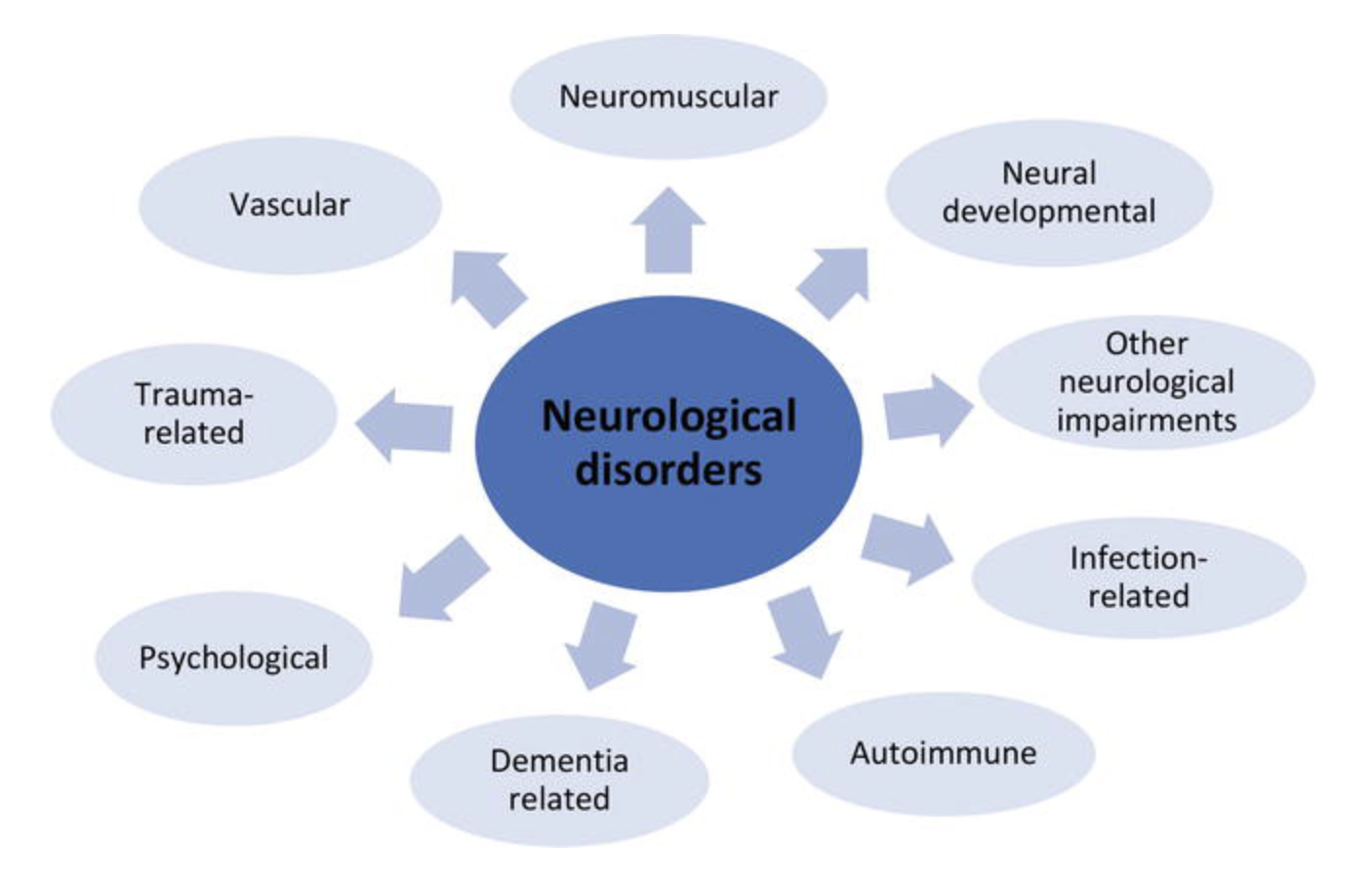
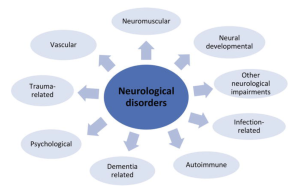
Neurological disorders include a wide range of conditions affecting the nervous system. For example, they include:
- Alzheimer’s disease
- Parkinson’s disease
- Epilepsy
- Multiple sclerosis
- Migraines and chronic headaches
These conditions arise when structural, biochemical, or electrical disruptions affect the nervous system. As a result, individuals may experience a wide variety of symptoms.
Causes of Neurological Disorders
Neurological conditions are complex and often multifactorial. Common contributing factors include:
- Physical injury or trauma
- Genetic predisposition
- Infections
- Environmental exposures
- Nutritional deficiencies
- Chronic lifestyle factors
In addition, both the brain and nervous system are sensitive to even minor disruptions. Therefore, early identification and support are important.
Signs and Symptoms
Symptoms vary depending on the condition. However, they may include:
Emotional and Cognitive Symptoms
- Mood changes
- Anxiety or depression
- Memory impairment
- Difficulty concentrating
Physical Symptoms
- Muscle weakness
- Pain or numbness
- Seizures
- Coordination difficulties
- Fatigue or dizziness
As a result, diagnosis and management require an individualised approach.
Conventional Treatment Approaches
Treatment depends on the specific condition and severity. Typically, management may include:
- Medications
- Physiotherapy
- Cognitive or behavioural therapy
- Lifestyle modifications
- In some cases, surgical intervention
Therefore, professional medical care remains essential in managing neurological disorders.
Bioresonance Therapy: A Complementary Perspective
Bioresonance therapy is a complementary approach that focuses on electromagnetic signal patterns in the body. Practitioners aim to assess these signals and identify potential imbalances.
Some practitioners suggest that bioresonance may:
- Support nervous system regulation
- Promote relaxation and stress reduction
- Enhance overall wellbeing
However, scientific evidence supporting its effectiveness in neurological disorders remains limited. Therefore, it should not replace conventional medical treatment.
How Bioresonance May Support Neurological Health
Bioresonance sessions are typically tailored to the individual. As a result, practitioners may focus on specific stressors and functional patterns.
Some individuals report:
- Improved relaxation
- Better stress resilience
- Enhanced overall balance
Nevertheless, outcomes vary, and further clinical research is required.
Important Considerations
Neurological disorders are serious medical conditions. Therefore, appropriate diagnosis and treatment are essential.
Bioresonance therapy should:
- Be used alongside conventional medical care
- Not replace prescribed treatments
- Be guided by a qualified practitioner
Conclusion
Neurological disorders are complex and require comprehensive management. While conventional treatments remain the foundation of care, complementary therapies such as bioresonance may offer additional support.
Ultimately, a balanced and integrative approach may help improve long-term wellbeing and quality of life.
Join as on Facebook https://www.facebook.com/PureNatureLife
Remember to subscribe to the channel! t.me/pnlclinic