What Is the Connection Between Our Gut and Brain?
The relationship between the gut and brain has fascinated scientists for many years. However, research shows there is no single simple answer.
Instead, this connection is complex and constantly evolving. It is now commonly referred to as the gut-brain axis.
Understanding the Gut-Brain Axis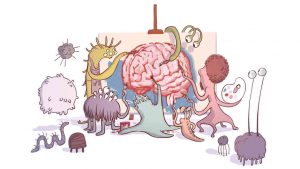

The gut-brain axis describes the communication between the digestive system and the nervous system.
In addition, this communication happens through multiple pathways, including:
- The nervous system
- Hormones
- The immune system
- Gut microbiota
As a result, the gut plays a significant role in overall health, not just digestion.
Why Gut Health Matters
A healthy gut supports many essential functions in the body. For example, it influences:
- Mood and mental wellbeing
- Immune system function
- Inflammation levels
- Energy production
Therefore, imbalances in the gut may affect both physical and mental health.
The Role of Microorganisms
The gut contains trillions of microorganisms. These include bacteria, viruses, and fungi.
In addition, certain microorganisms can influence how the brain functions. Some research suggests they may affect mood, behaviour, and even cognitive function.
Parasites and the Gut-Brain Connection
In some cases, parasites may influence both gut and brain health. One example is Toxoplasma gondii, a protozoan parasite found worldwide.
It can be transmitted through contaminated food, water, or exposure to cat faeces.
Research suggests that this parasite may affect behaviour in animals. However, in humans, effects can vary and are still being studied.
Gut Health and Neurological Conditions
Emerging research explores links between gut health and neurological conditions.
For example, bacterial overgrowth and gut imbalance have been associated with changes in brain function. In addition, some studies suggest a link between gut by-products and conditions such as autism spectrum disorders.
However, more research is needed to fully understand these relationships.
The Impact of Antibiotics
Excessive or repeated use of antibiotics may disrupt gut balance.
As a result, this can affect digestion, immunity, and potentially brain function. Therefore, it is important to use antibiotics only when necessary and under professional guidance.
Your Gut as a “Second Brain”
The gut is often referred to as the “second brain.” This is because it has its own nervous system and communicates closely with the brain.
Therefore, daily habits play an important role in gut health. This includes:
- What you eat
- How you eat
- Your environment
- Your lifestyle
How to Support Your Gut Naturally
Supporting your gut does not need to be complicated.
For example:
- Eat a diverse, whole-food diet
- Include fibre-rich foods
- Support healthy digestion
- Reduce stress
- Avoid unnecessary medications
As a result, these steps can help maintain balance in the gut and support overall wellbeing.
Final Thoughts
The gut-brain connection is a key area of modern health research. While there is still much to learn, one thing is clear: gut health plays a central role in overall wellbeing.
Therefore, taking care of your digestive system is an important step toward better health.